


Évora and Alentejo Day Trip from Lisbon – History, Wine & Culture
Languages
English +2
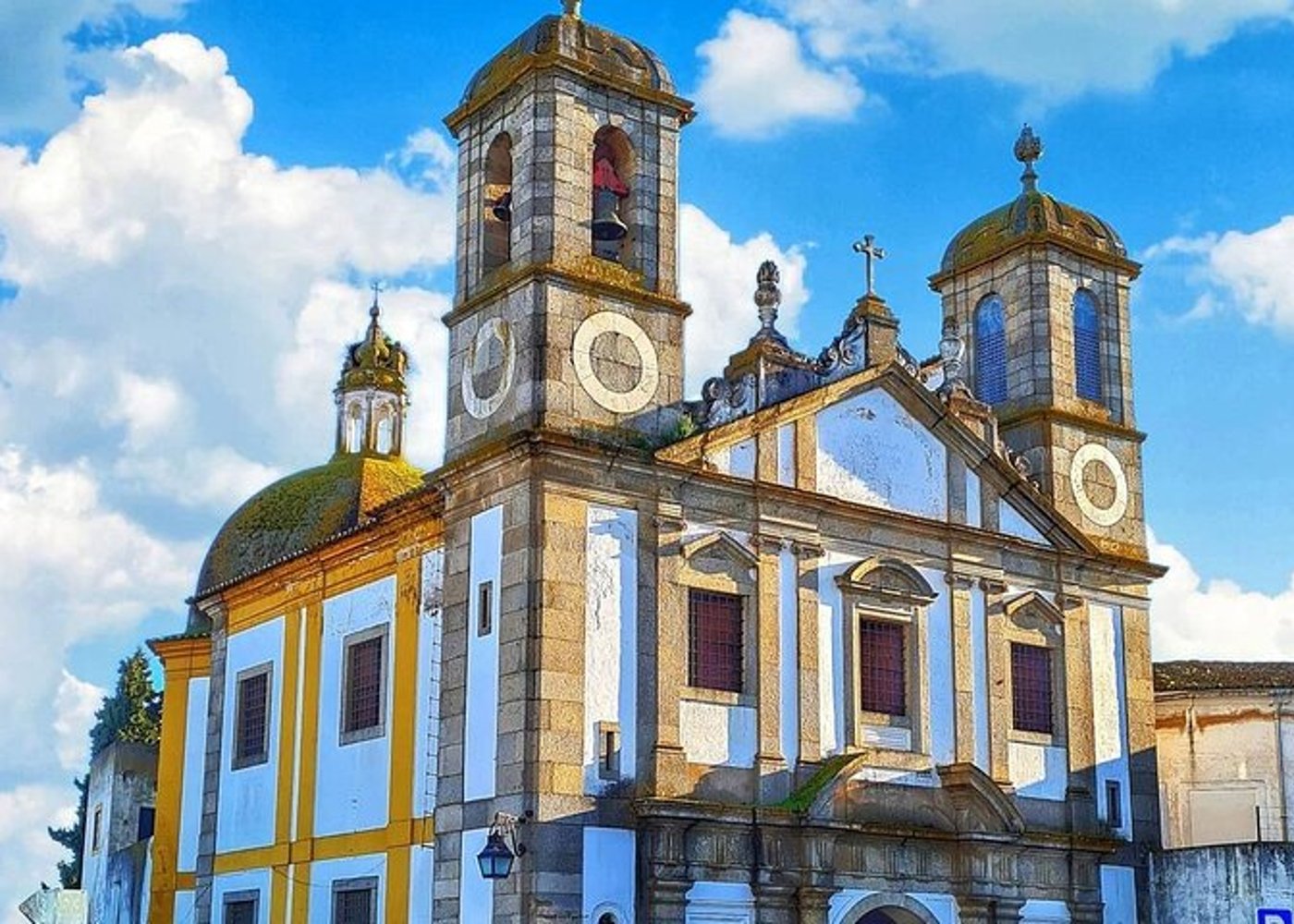
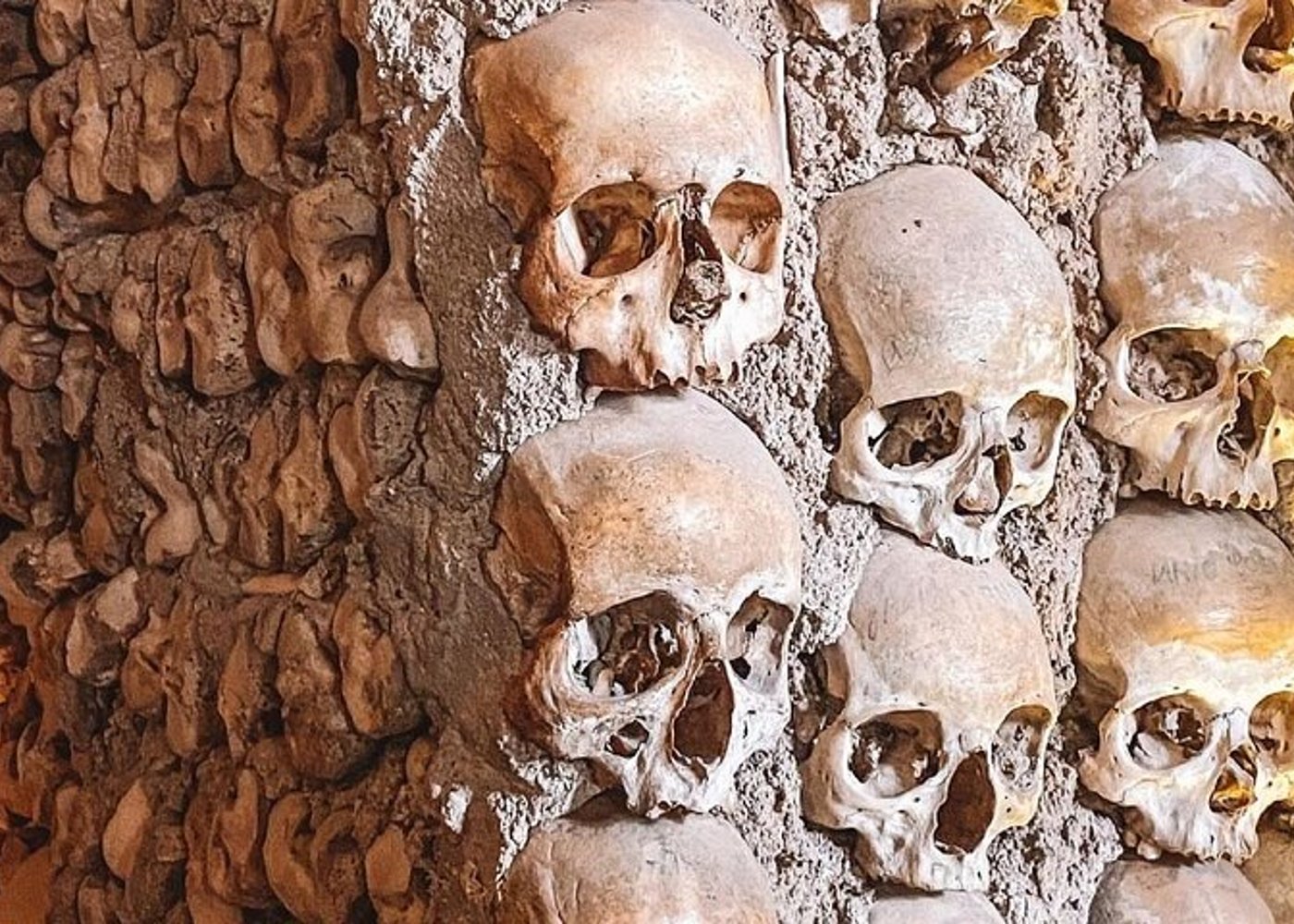
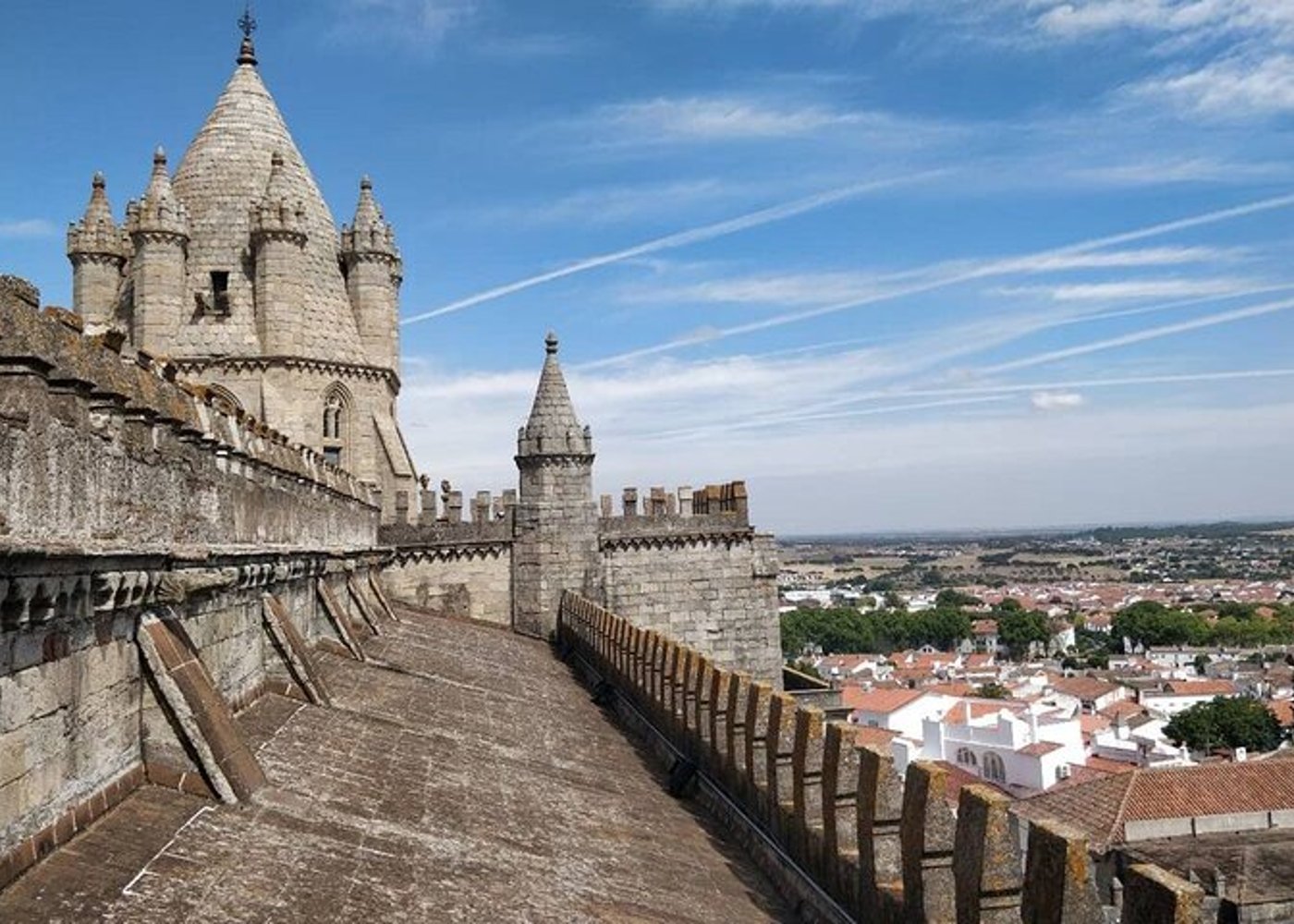
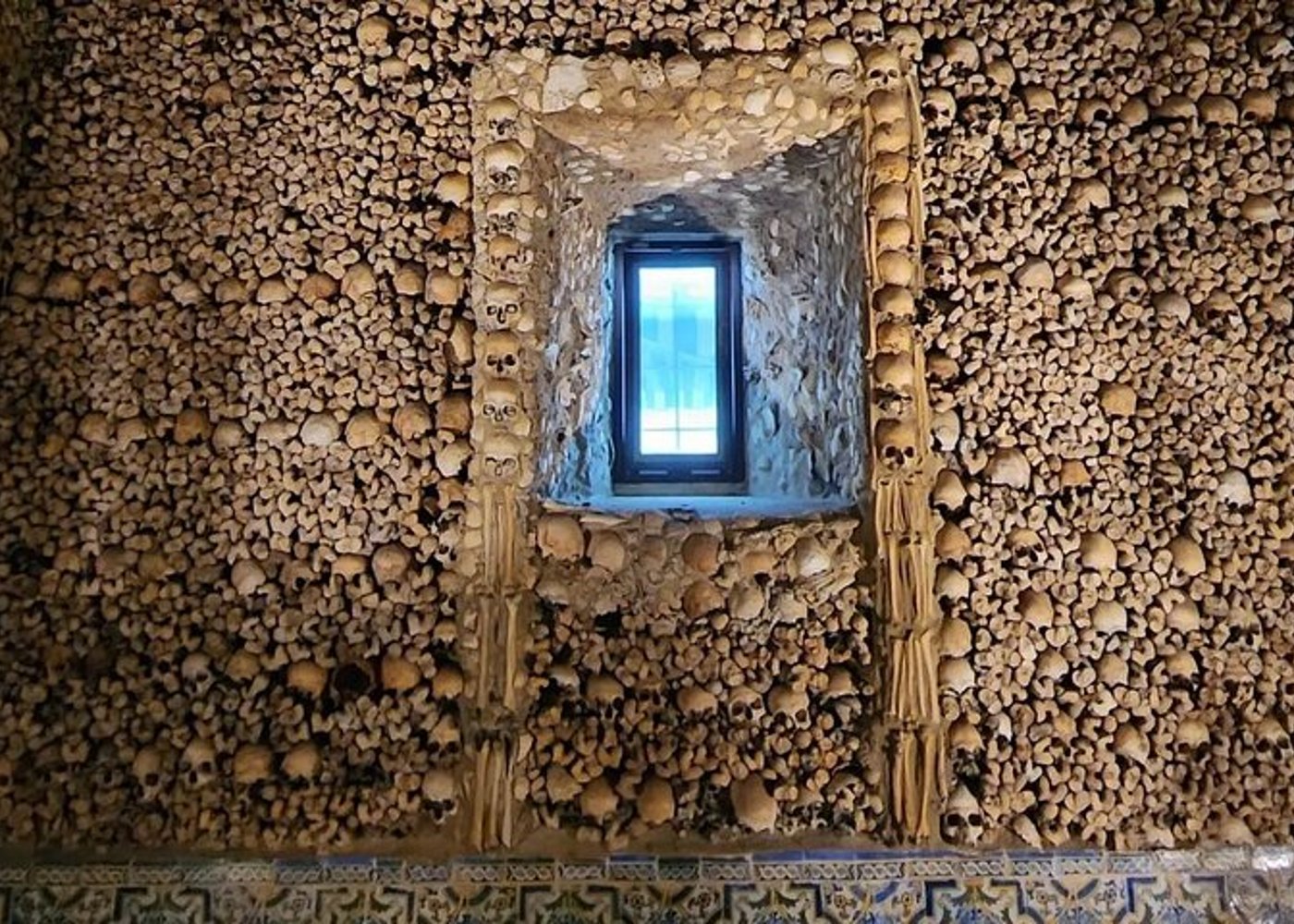
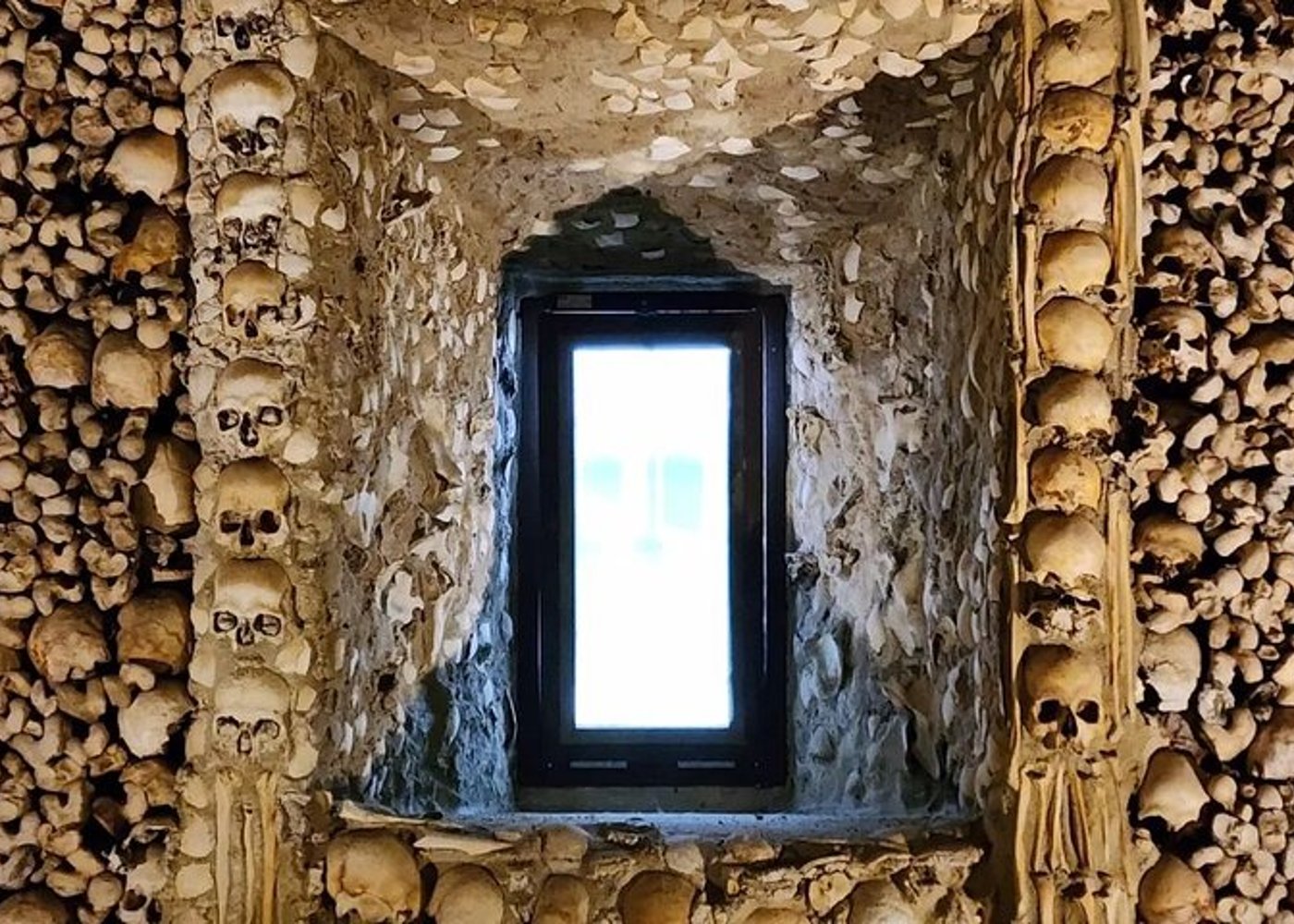
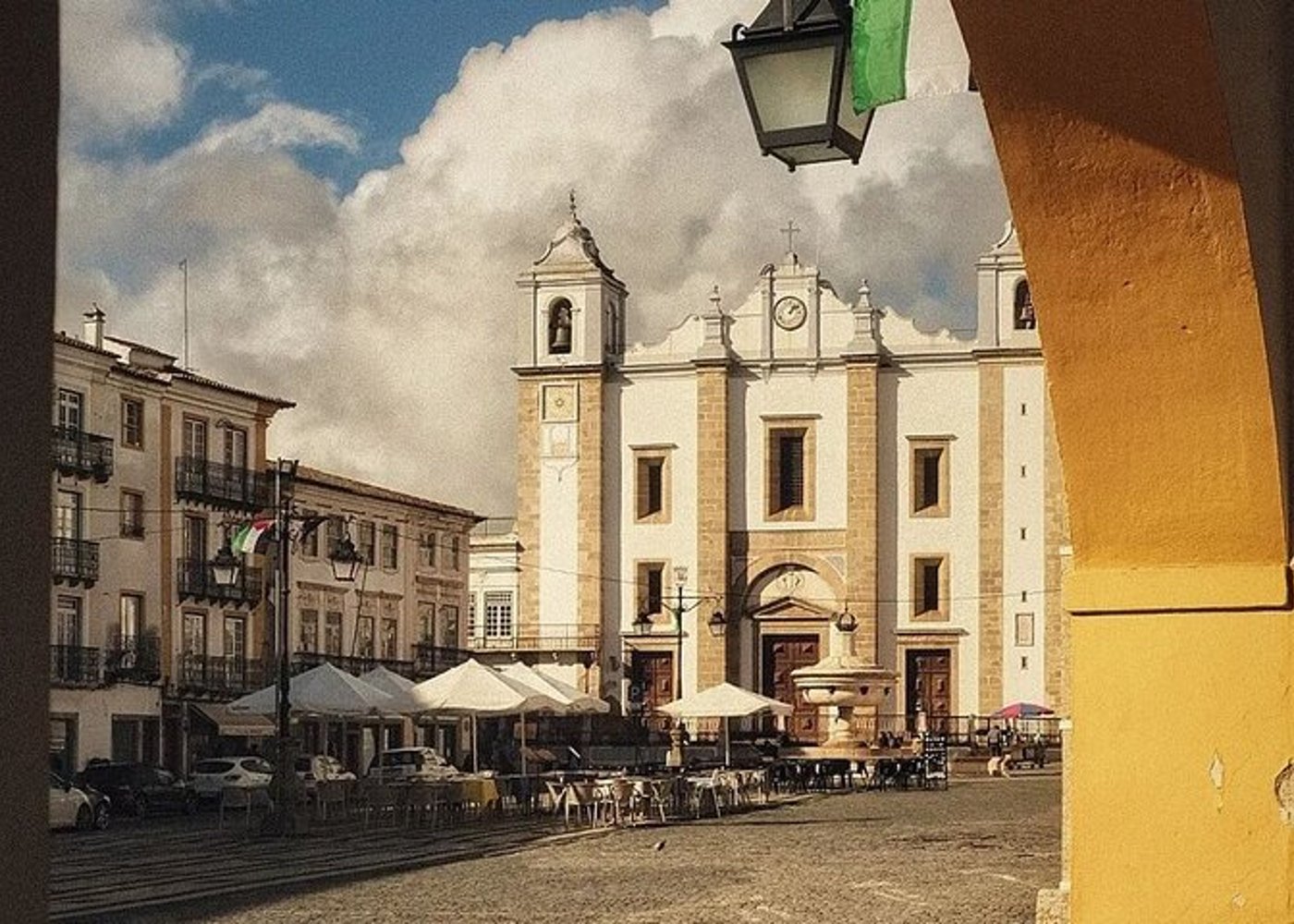
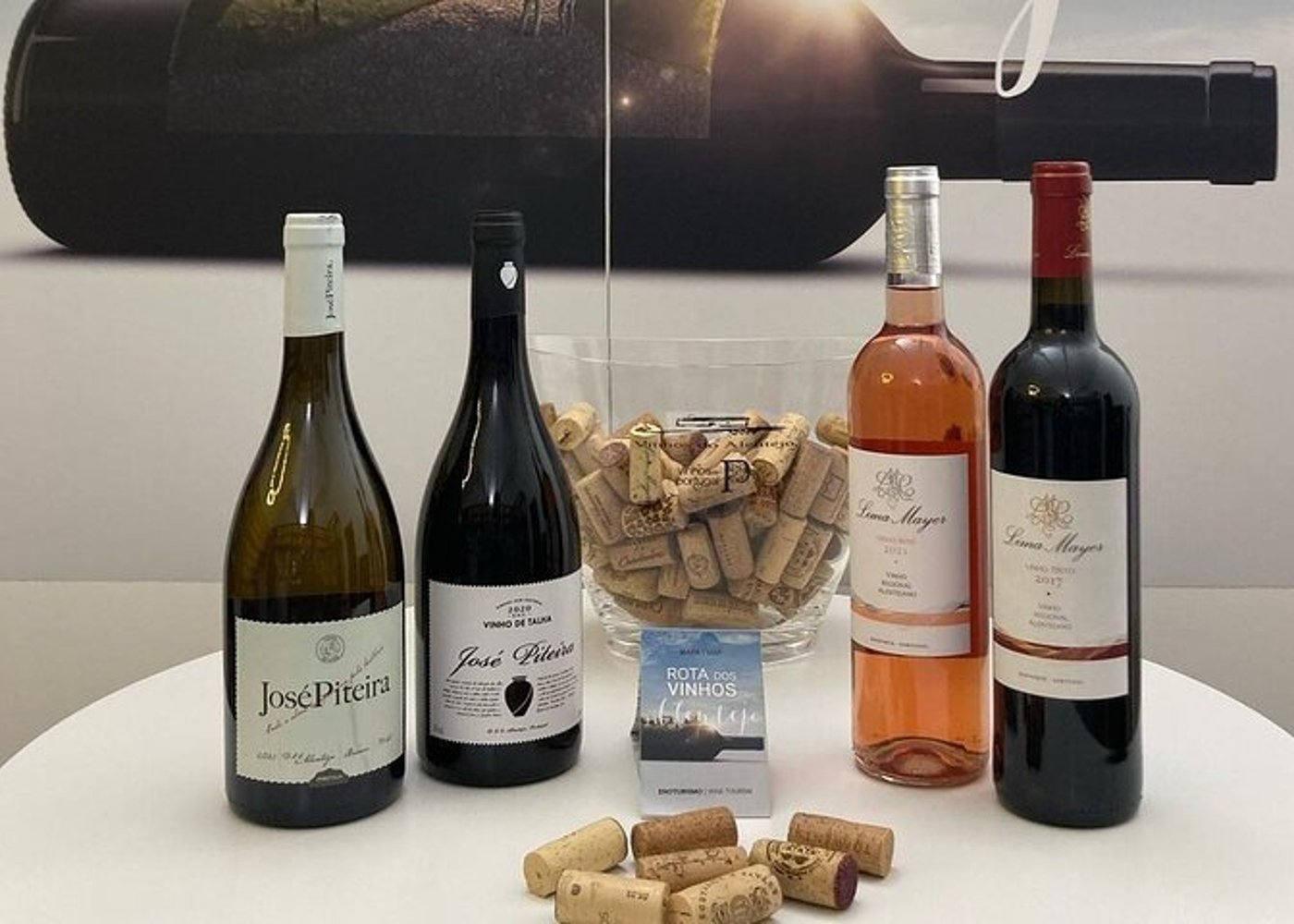
Explore Portugal's charm with a tour of the Historic Centre DE Évora, a UNESCO World Heritage Site. This experience takes you to the main historical and cultural treasures DE Évora, providing a true immersion in the city. Start at the vibrant Plaza del Giraldo, the heart of the historic center. Visit the majestic Cathedral DE Évora, an impressive example DA Gothic and Renaissance architecture, and climb to the tower for stunning panoramic views DA the city. Discover the Bone Chapel, built with the bones OF about 5,000 monks and local inhabitants, and admire the Temple of Diana, a fascinating vestige OF the Roman era. Walk through the imposing arches of the Aqueduct OF Water DA Silver, a masterpiece OF Renaissance engineering. Complete the tour with a taste DA typical Alentejo cuisine and a taste of the renowned Alentejo regional wines, making this cultural and gastronomic experience truly unforgettable.
Inclusions and Exclusions
Guide specialized in tourism services
Wine tasting consisting POR 6 wines DA DE Alentejo region with presentation of the same in local store
Bottled water
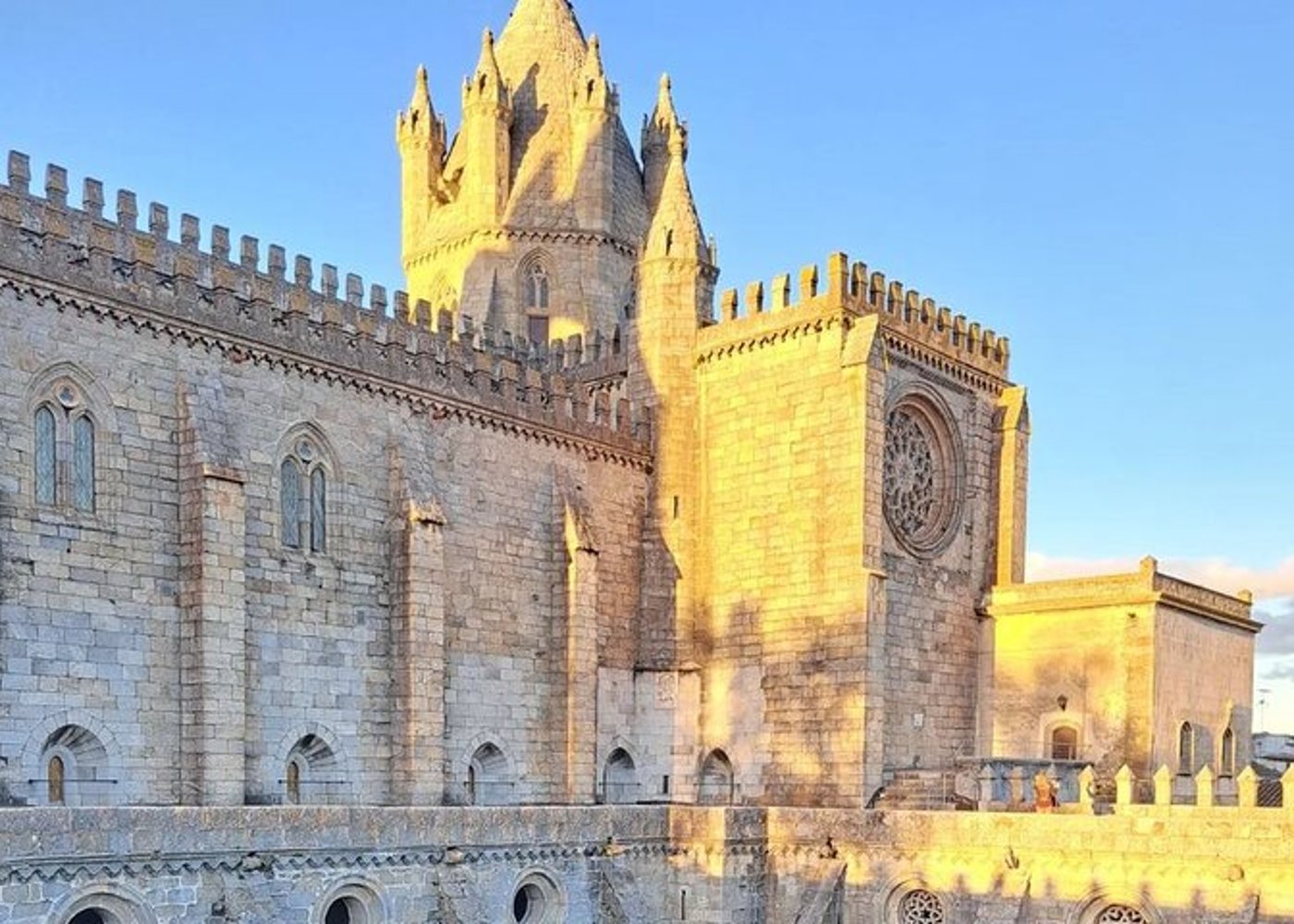
Cathedral DE Evora (Se Cathedral DE Evora)
Lunch stop included in the tour
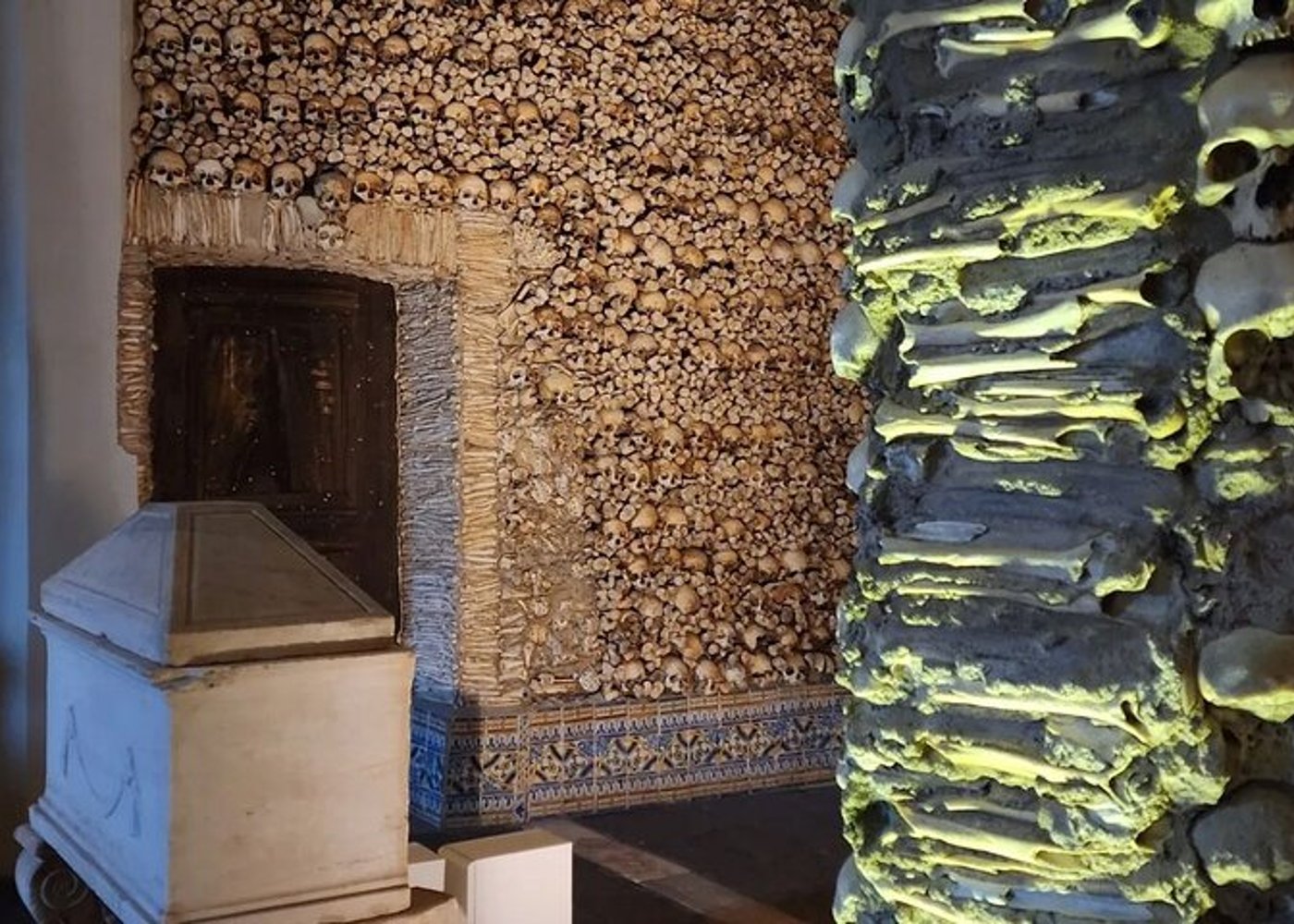
Chapel of the Bones
Cancellation Policy
Standard cancellation policy with tiered refunds based on cancellation time.
- 100% Refund — Cancel up to 24 hours before the activity and receive a full refund.
This experience requires good weather. If canceled due to bad weather, a full refund will be provided.
Itinerary
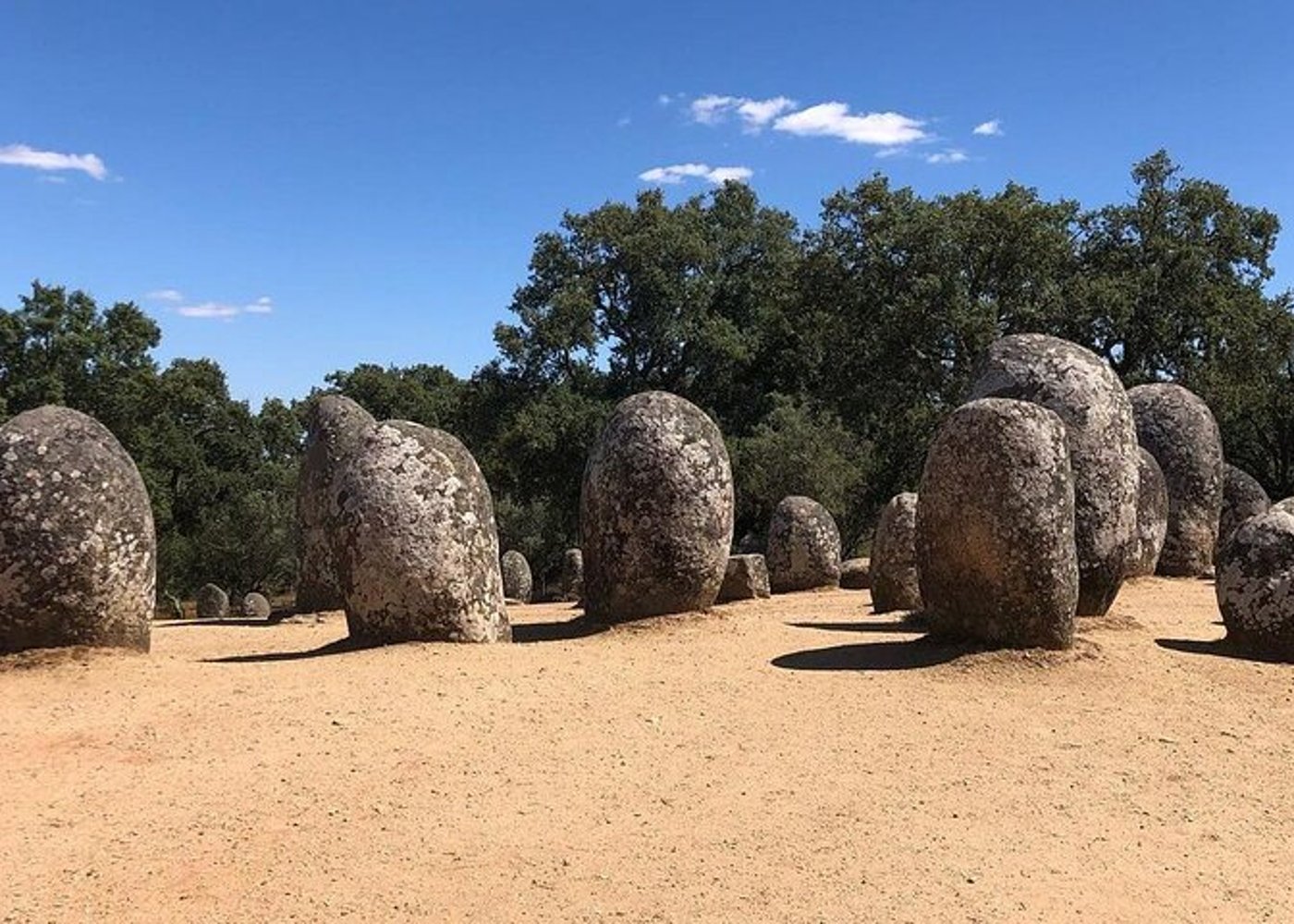
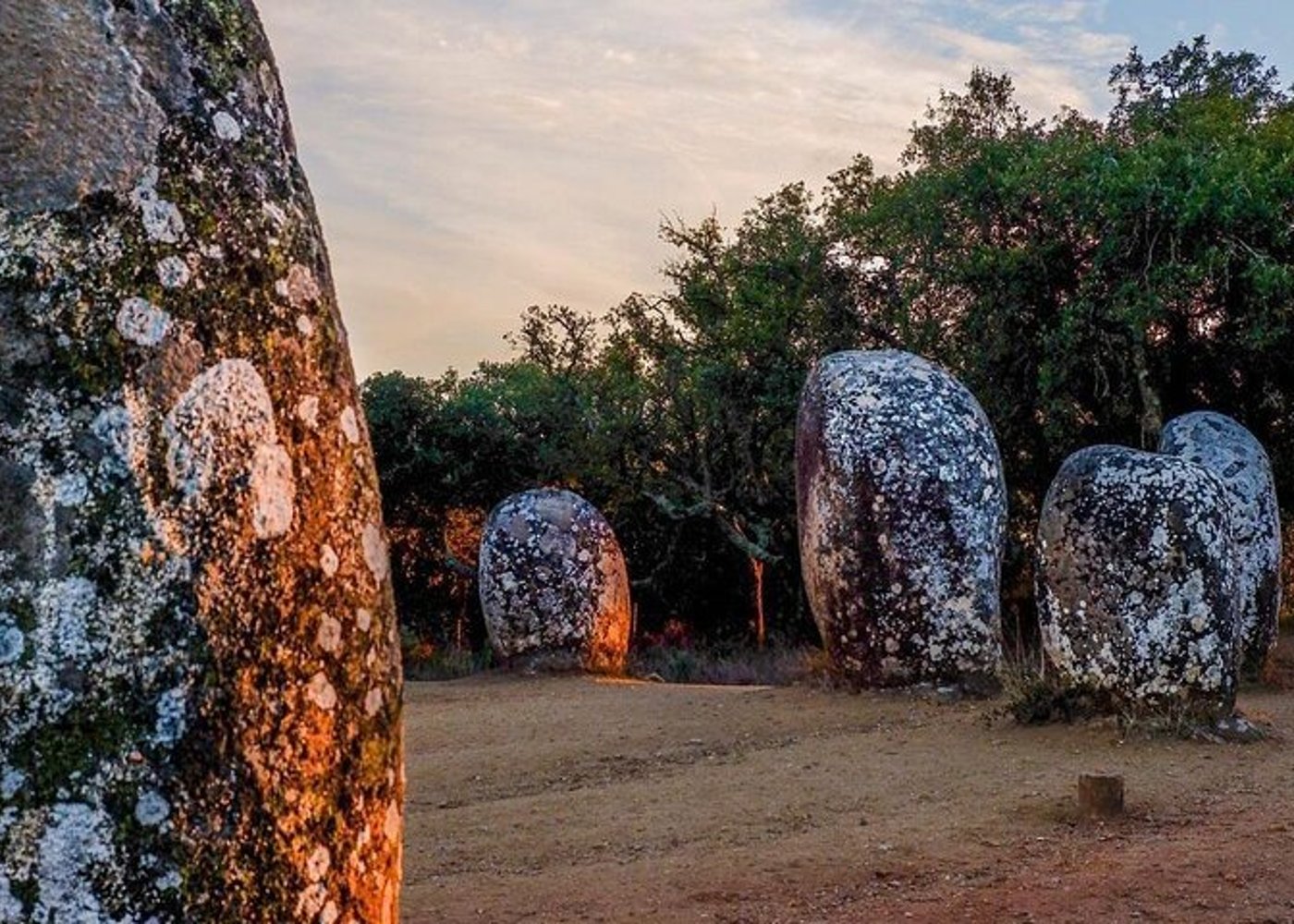
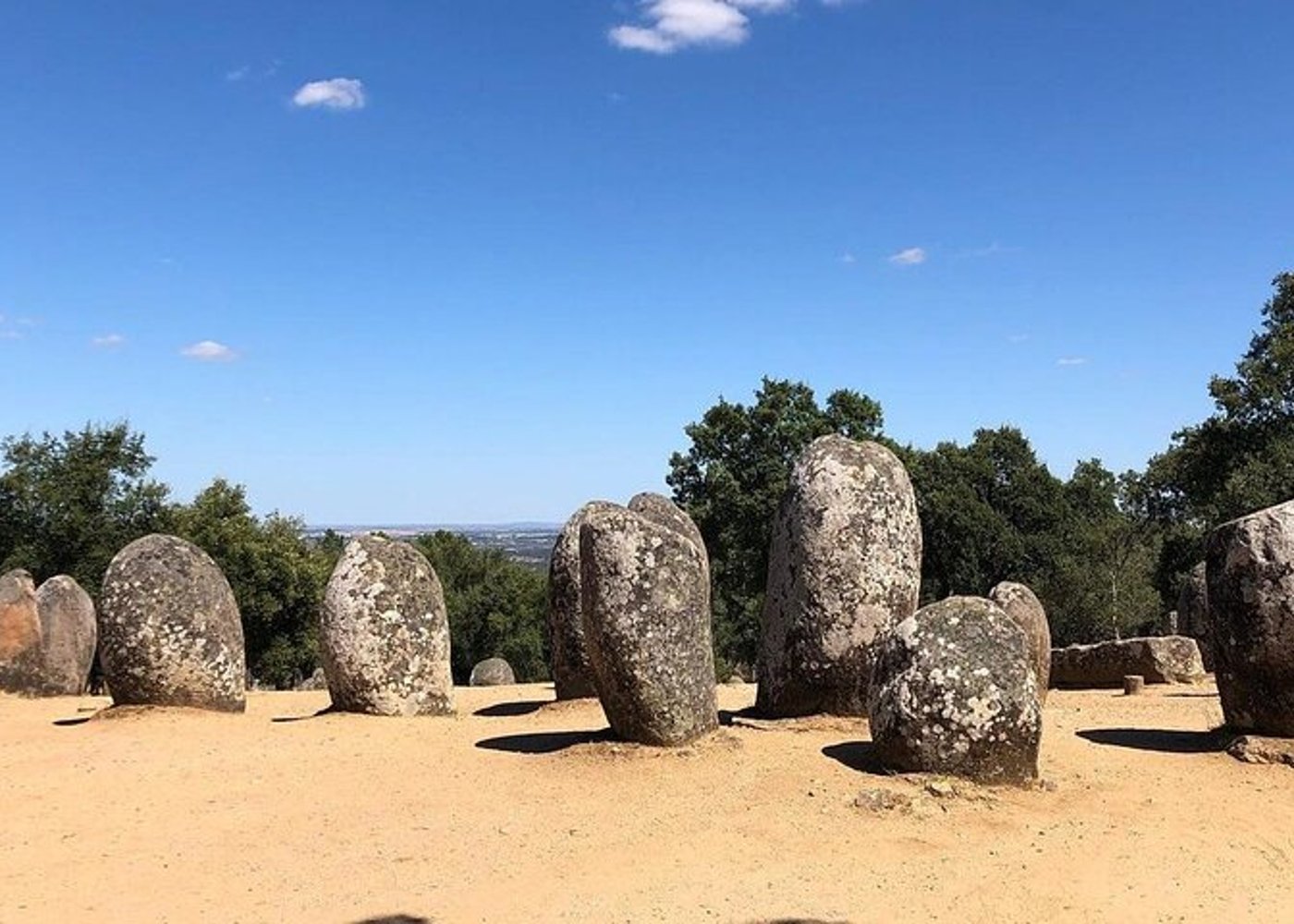
Centro Interpretativo dos Almendres
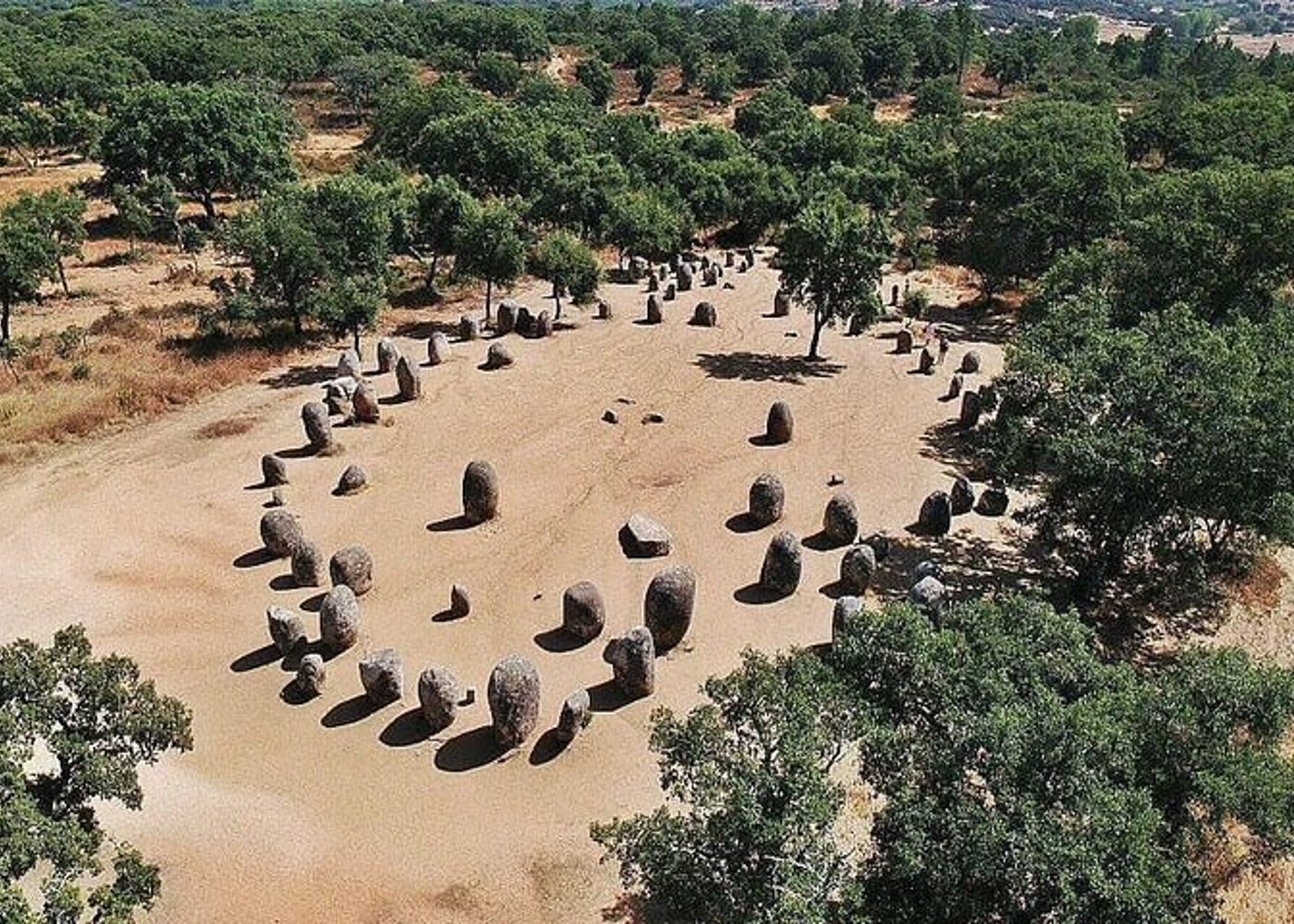
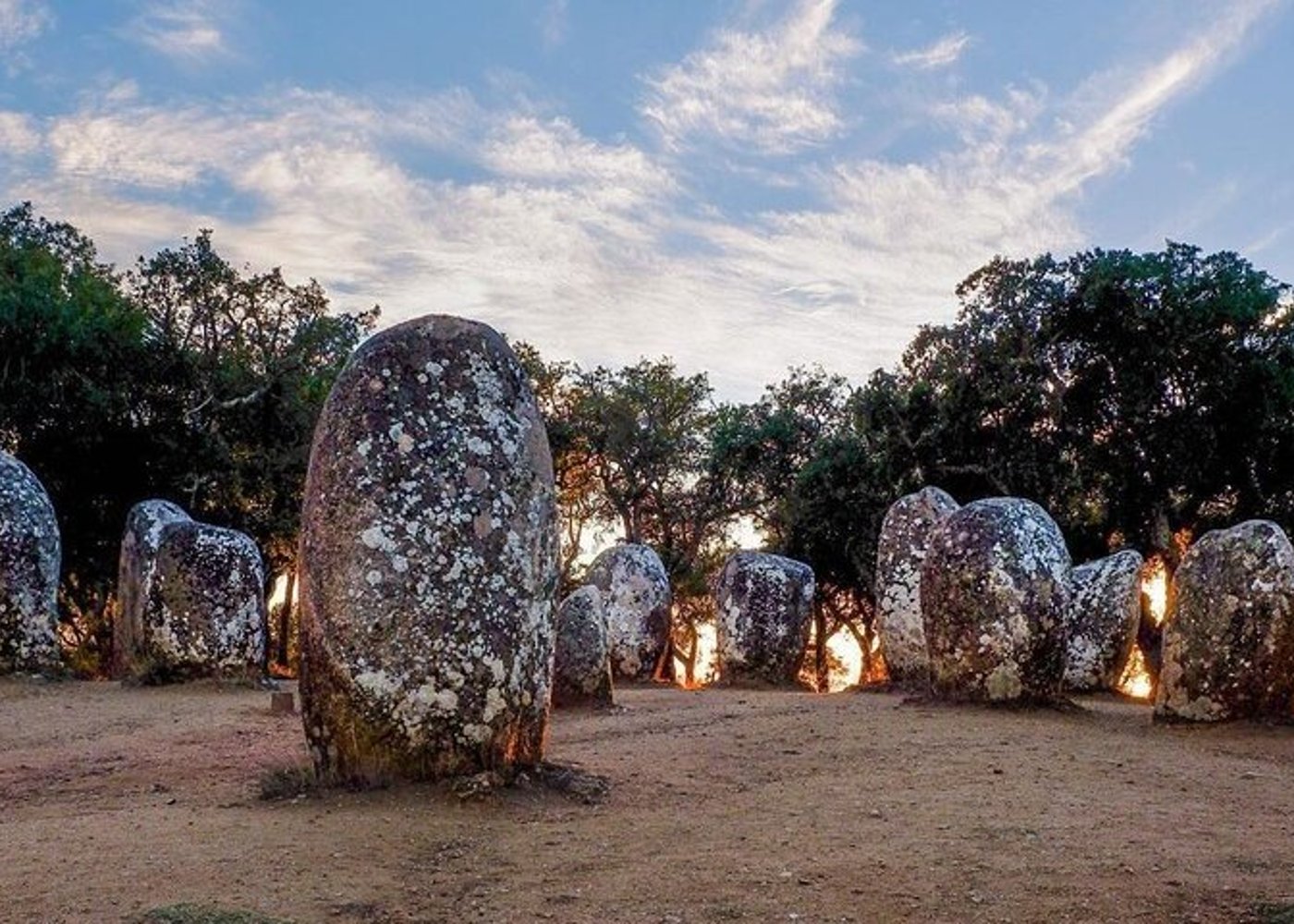
The Almendres Interpretative Center is a tourist site located near Évora, Portugal, offering a fascinating insight into the region’s prehistoric history. This center is dedicated to interpreting the Almendres Cromlech archaeological site, one of the most remarkable megalithic monument complexes in the Iberian Peninsula. The Almendres Cromlech consists of a series of stones arranged in circles and dolmens, dating back approximately 6,000 years. This archaeological site provides a unique perspective on the lives and beliefs of the people who inhabited the region during the Neolithic period. It is a must-visit destination for history and archaeology enthusiasts, as well as anyone interested in discovering more about Portugal’s prehistoric heritage.
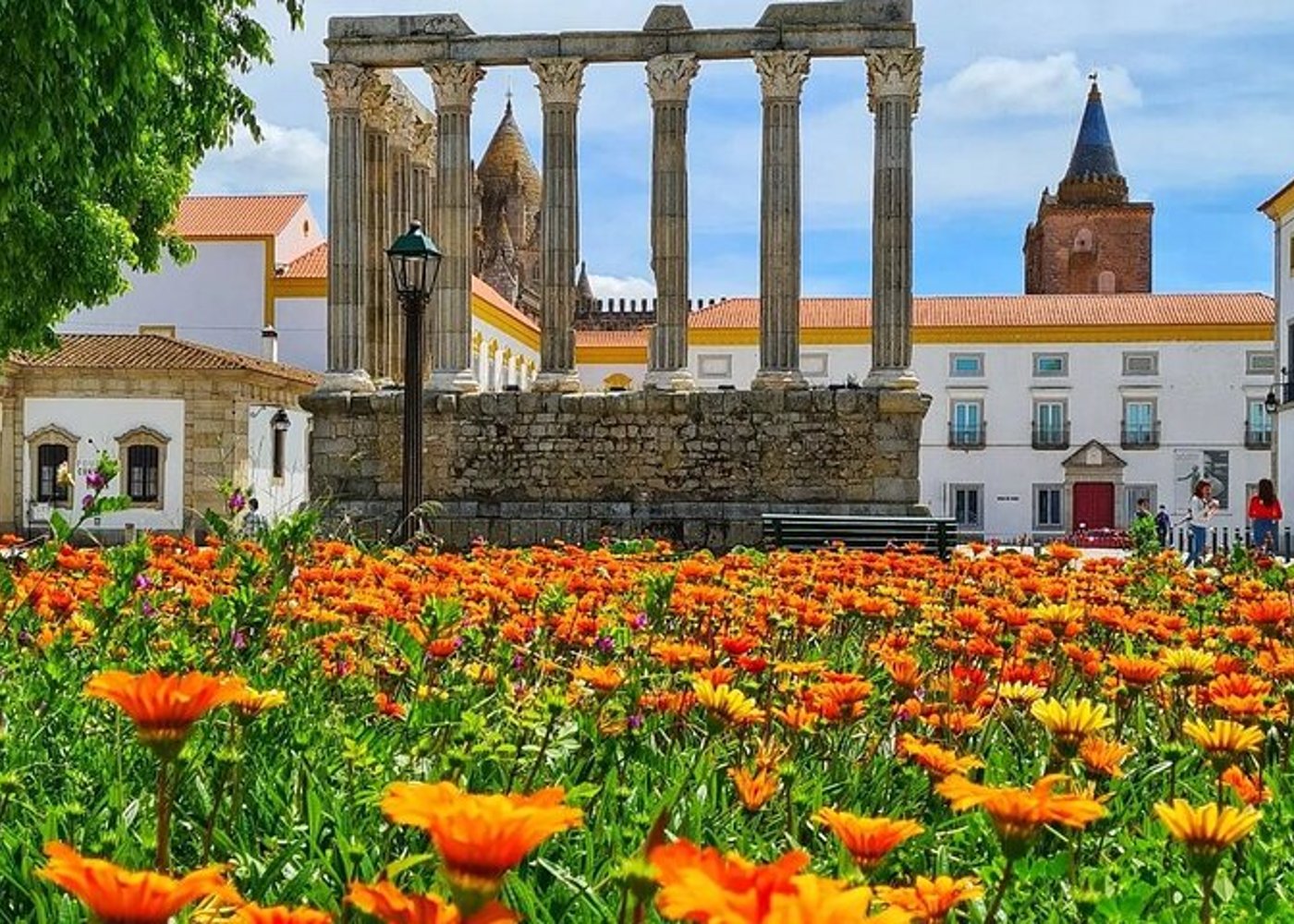
Templo Romano de Evora (Templo de Diana)
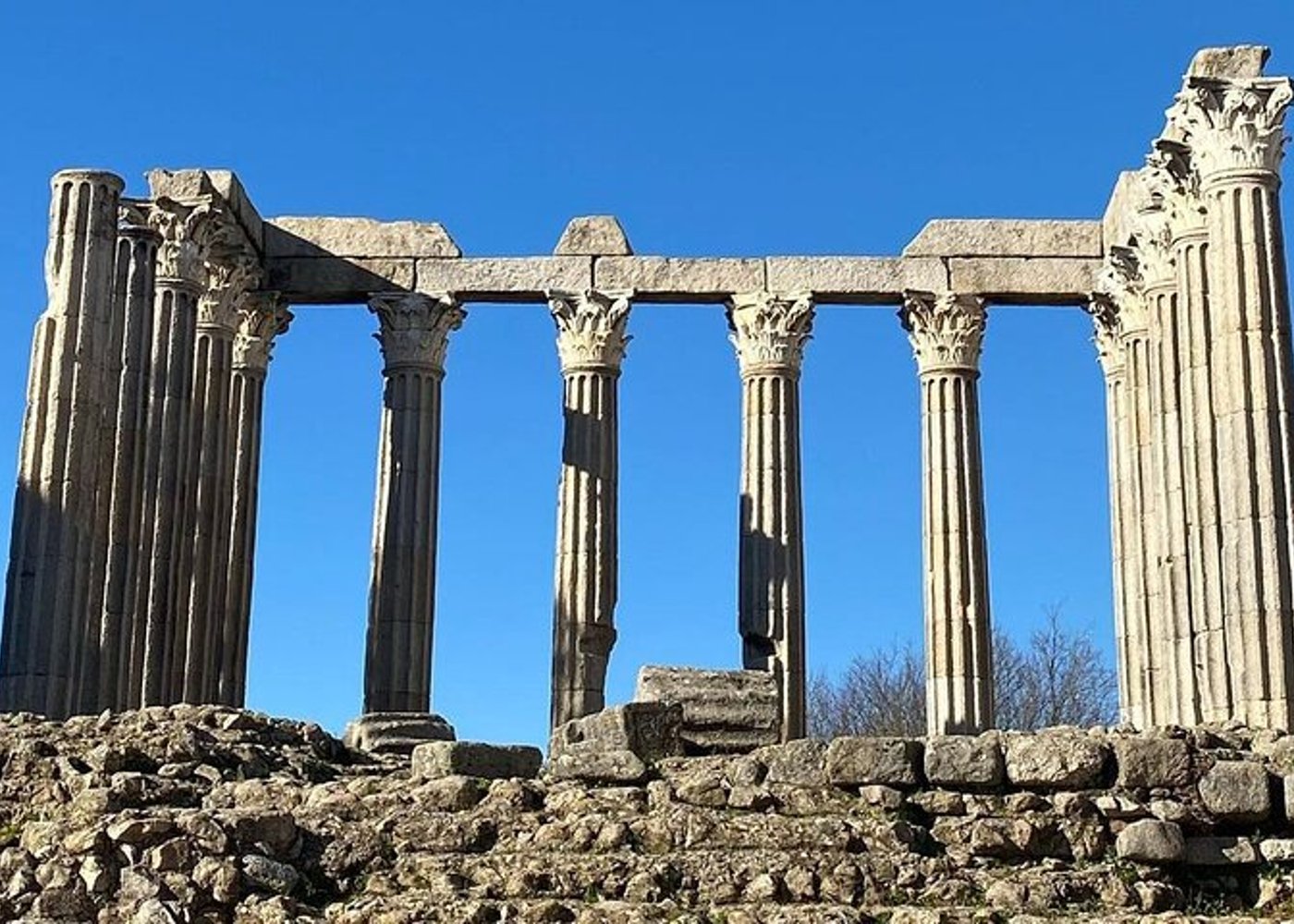
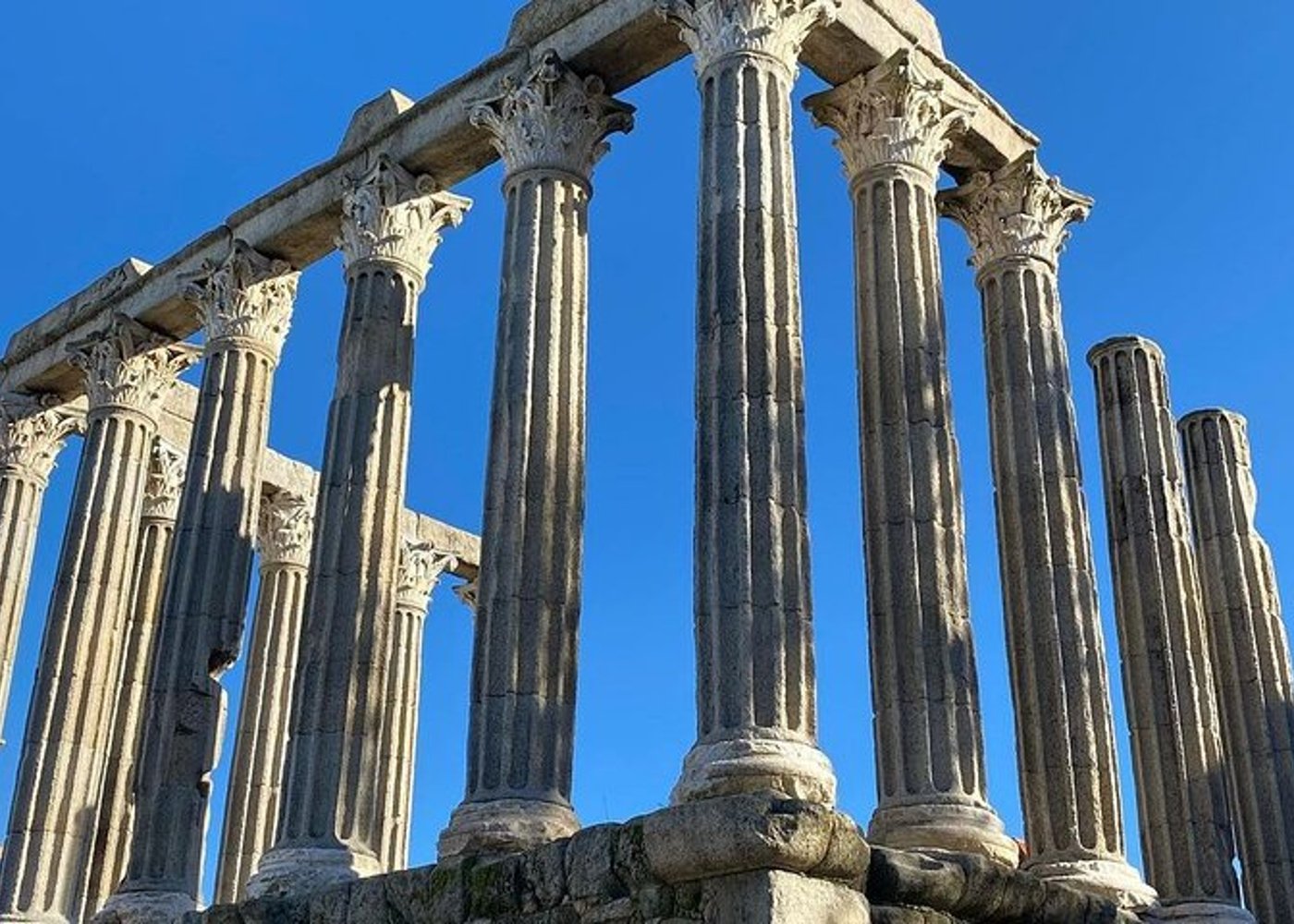
The Temple of Diana, also known as the Roman Temple of Évora, is one of the best-preserved Roman monuments in Portugal and a true testament to the grandeur of the Roman Empire. This Corinthian temple dates back to the 1st century AD and, although traditionally associated with the goddess Diana, it was in fact built in honor of Emperor Augustus. Visitors are greeted by a magnificent portico of Corinthian columns rising majestically in the center of Évora. The temple is surrounded by a charming garden, offering a picturesque setting for photos and reflection. Its classical architecture, imposing columns, and rich history make it one of Évora’s must-see landmarks.
Evora
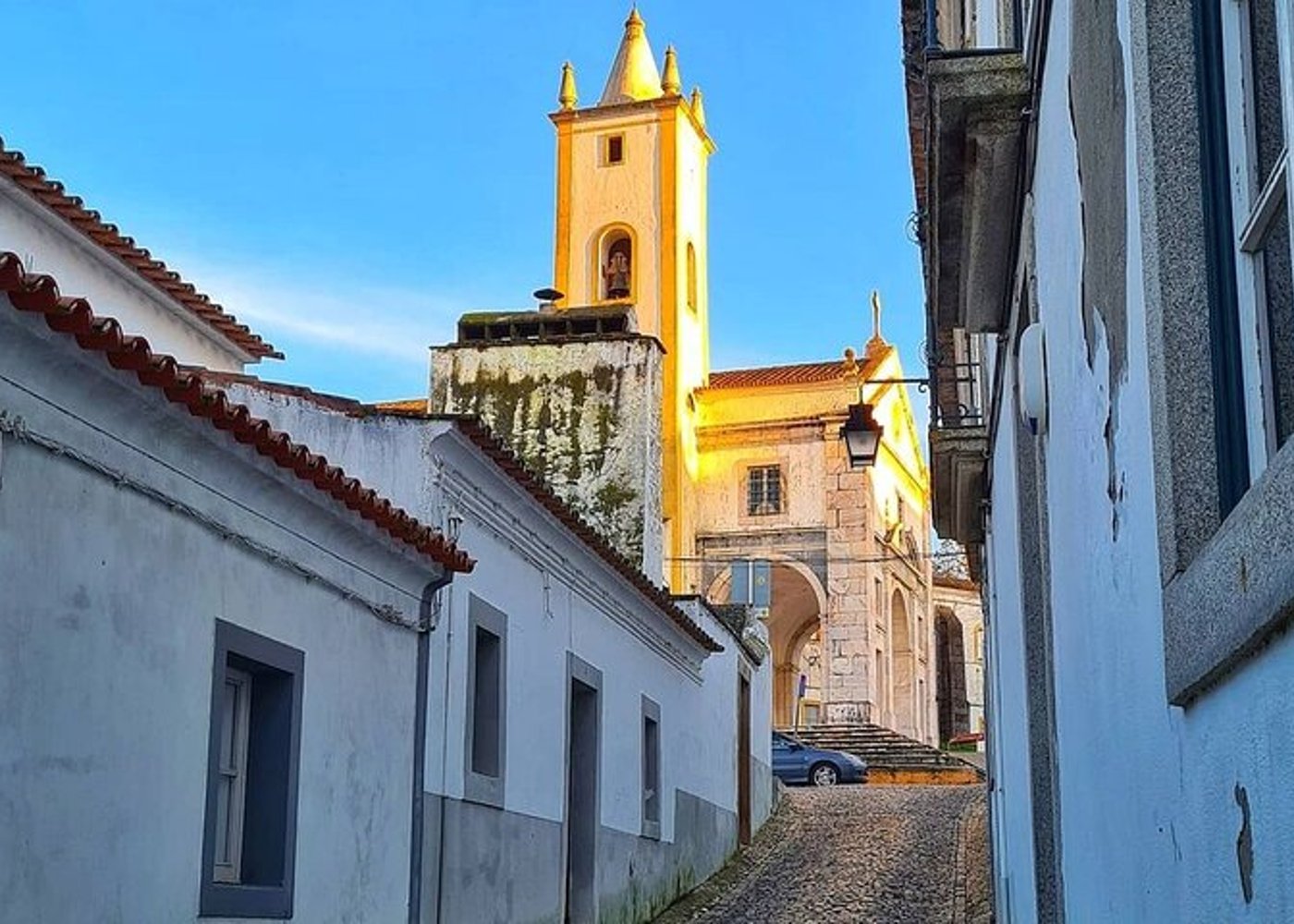
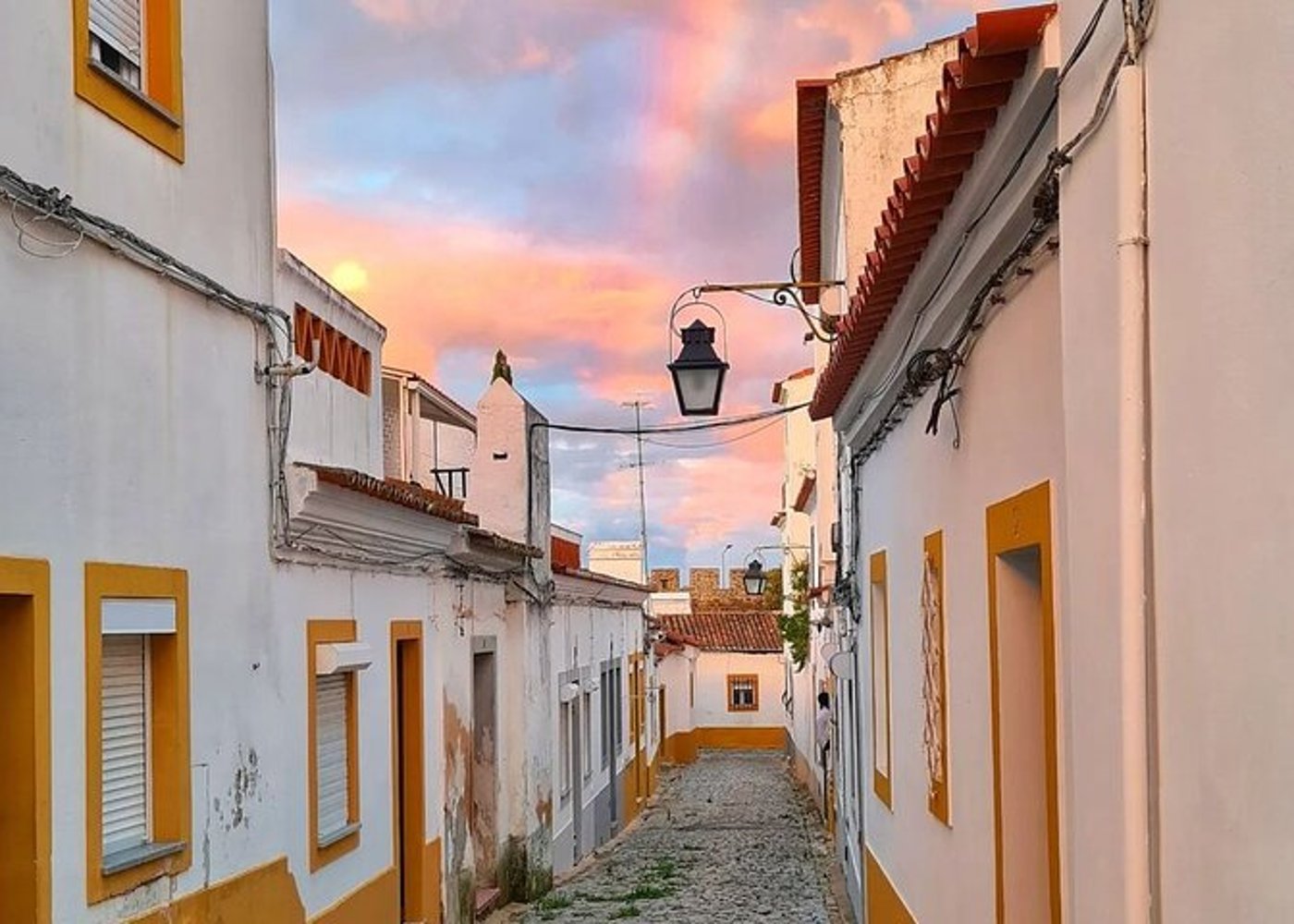
Évora, the city where the Temple of Diana is located, is a historic and enchanting destination recognized as a UNESCO World Heritage Site. Situated in the heart of the Alentejo region, Évora is known for its picturesque cobblestone streets, lively squares, and a rich cultural heritage that spans centuries. Visitors to Évora can wander through its narrow medieval streets, visit the Évora Cathedral with its blend of architectural styles, and explore the Palace of the Dukes of Cadaval, home to a fascinating museum. The city is also renowned for its gastronomy, with restaurants serving traditional Alentejo dishes such as migas, carne de porco à alentejana, and exquisite local wines. Évora invites travelers to immerse themselves in the history, culture, and beauty of Portugal, making it a truly captivating destination. In summary, Évora offers a travel experience that combines majestic Roman heritage with the charm and elegance of a historic city.
Chapel of Bones
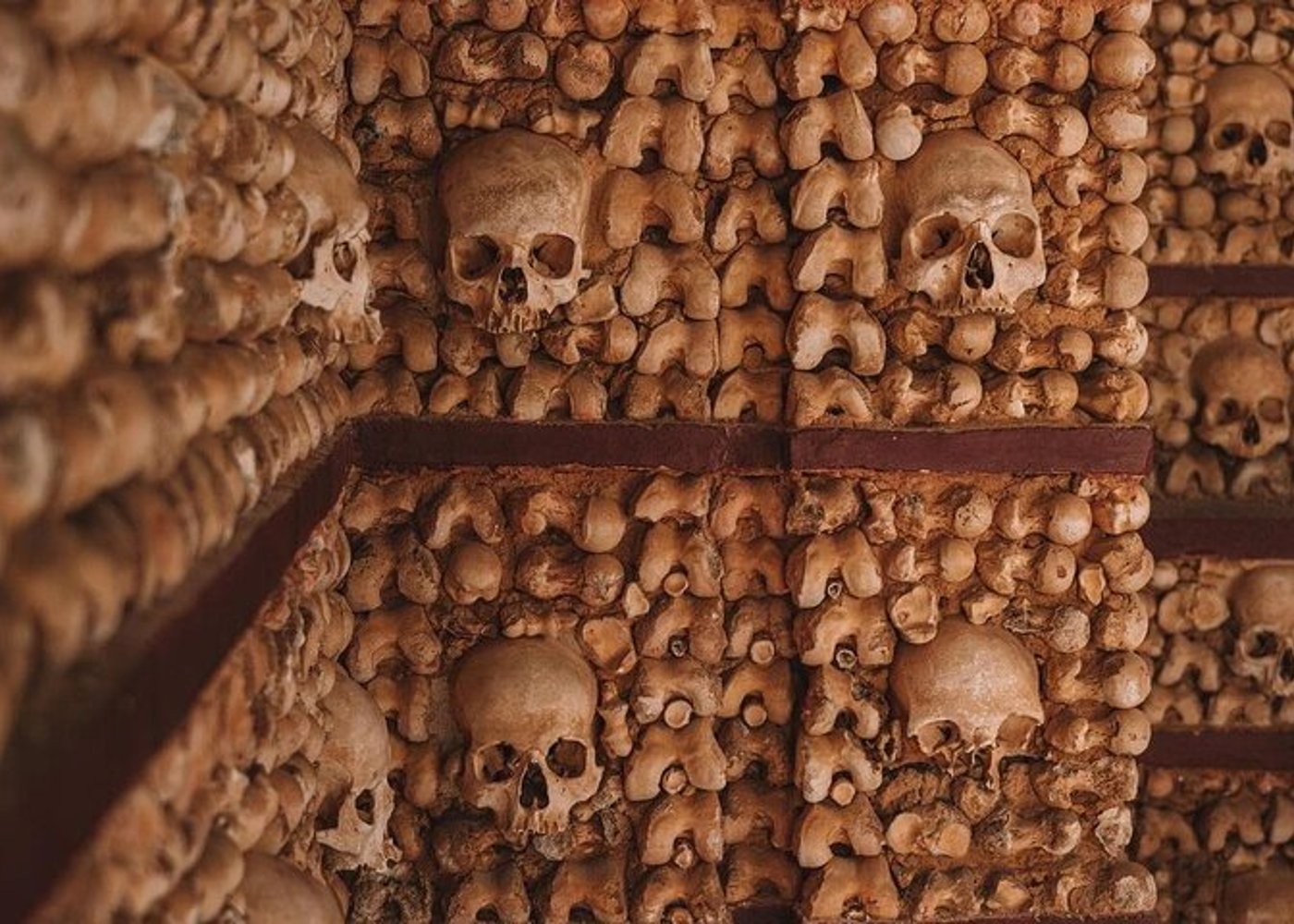
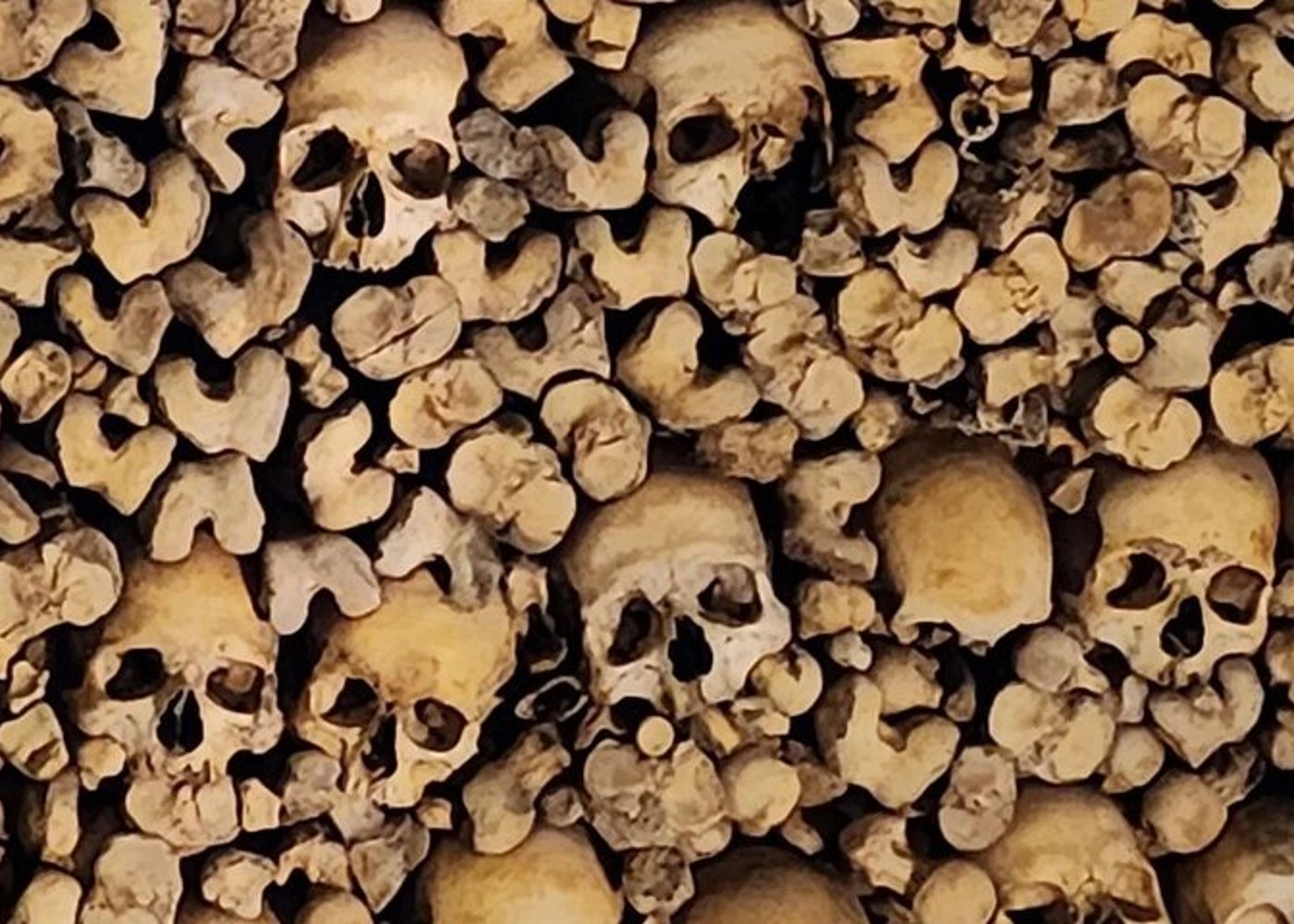
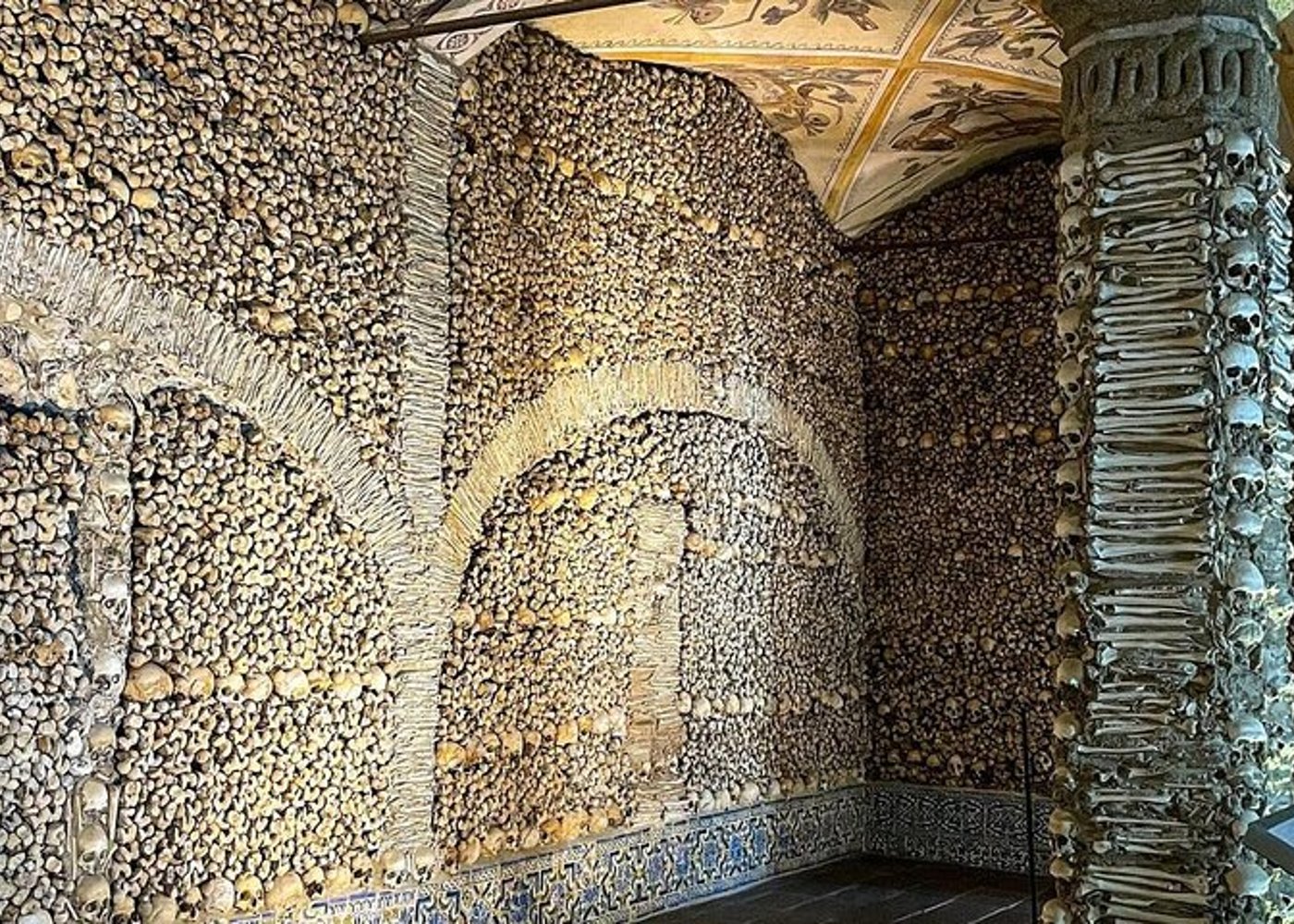
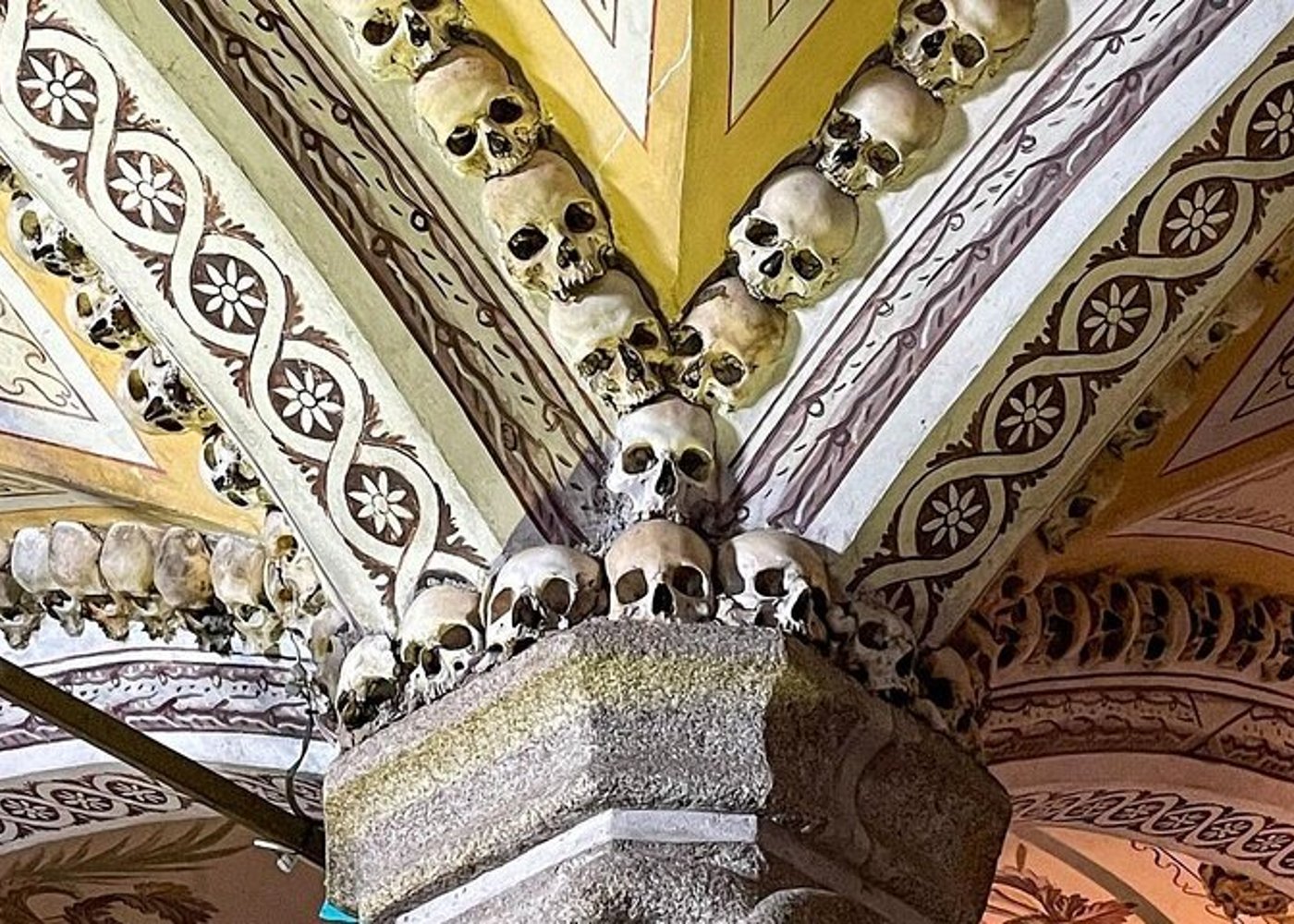
The Chapel of Bones, known in Portuguese as Capela dos Ossos, is an unusual chapel located inside the Church of São Francisco, dating back to the 16th century. What makes it so remarkable and intriguing is its interior decoration, which is entirely covered with human bones. The remains of approximately 5,000 monks and local residents were used in the construction of the chapel, creating an atmosphere that is both macabre and contemplative. The walls, pillars, and ceiling are adorned with these bones, producing a striking and somber setting. The original purpose of the Chapel of Bones was to remind visitors of the transience of life and the inevitability of death. An inscription at the entrance captures this message perfectly: “We bones that are here, for yours we wait.” It is a place where spirituality and reflection intertwine in a truly unique way.
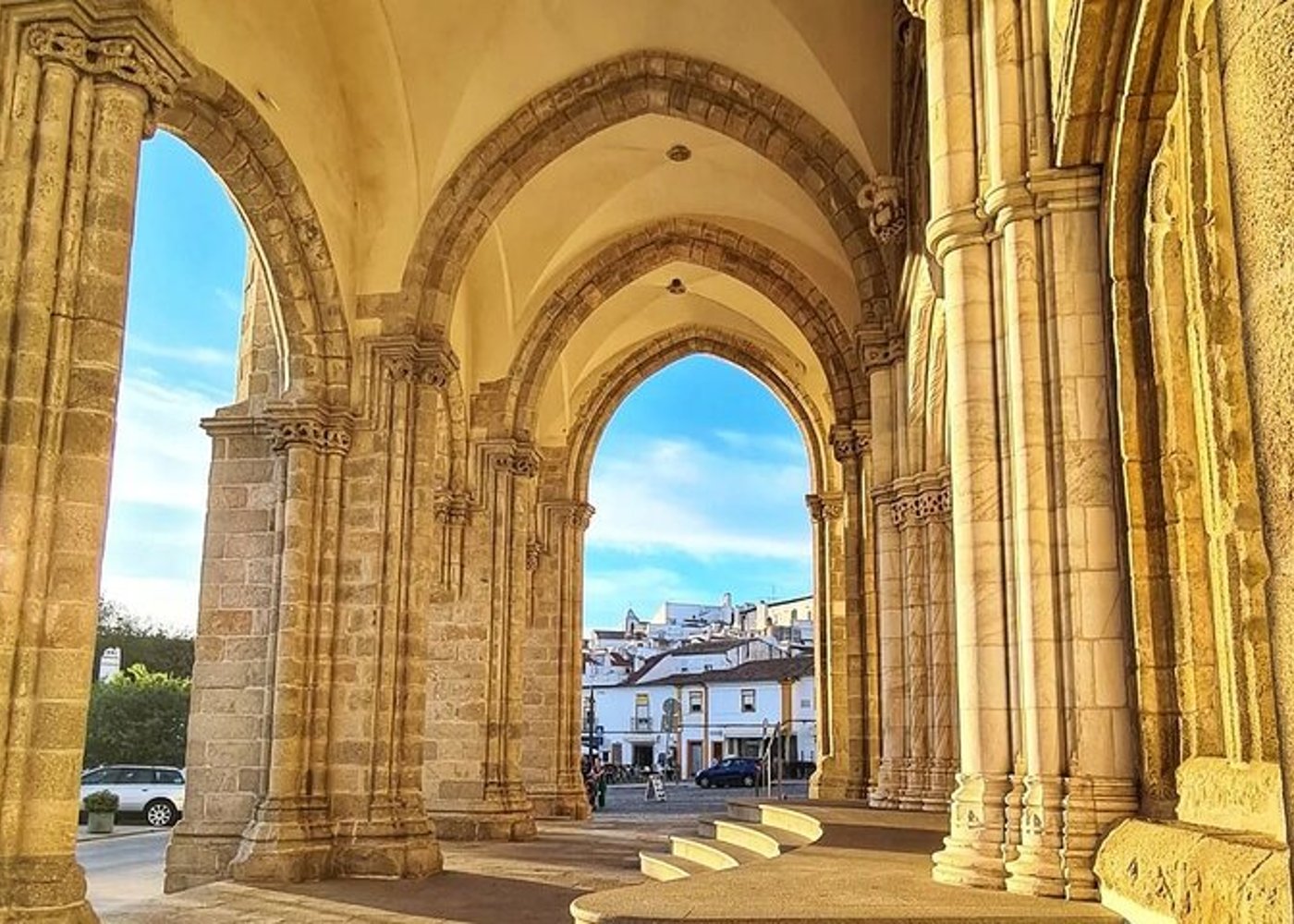
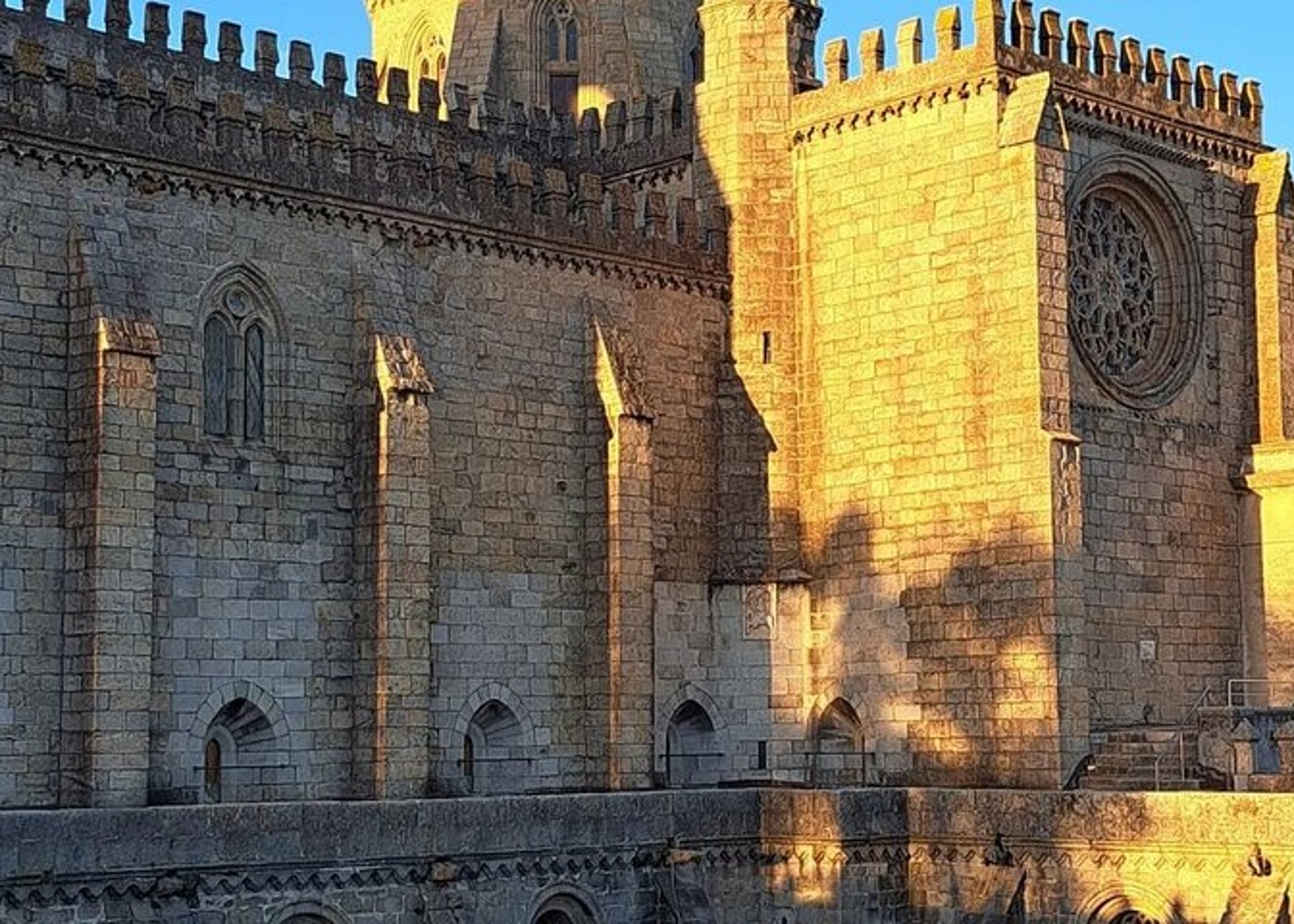
Cathedral of Evora (Se Catedral de Evora)
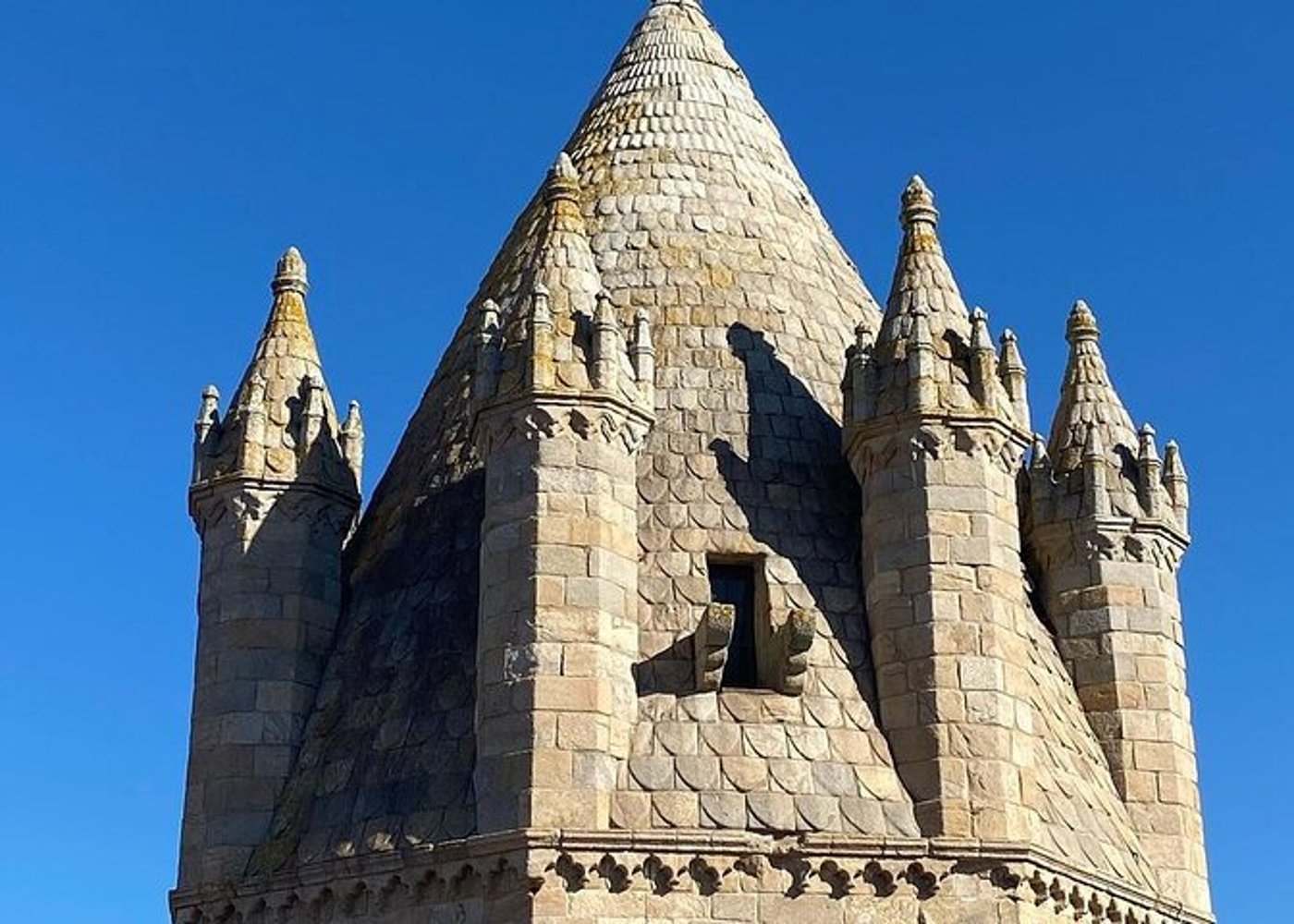
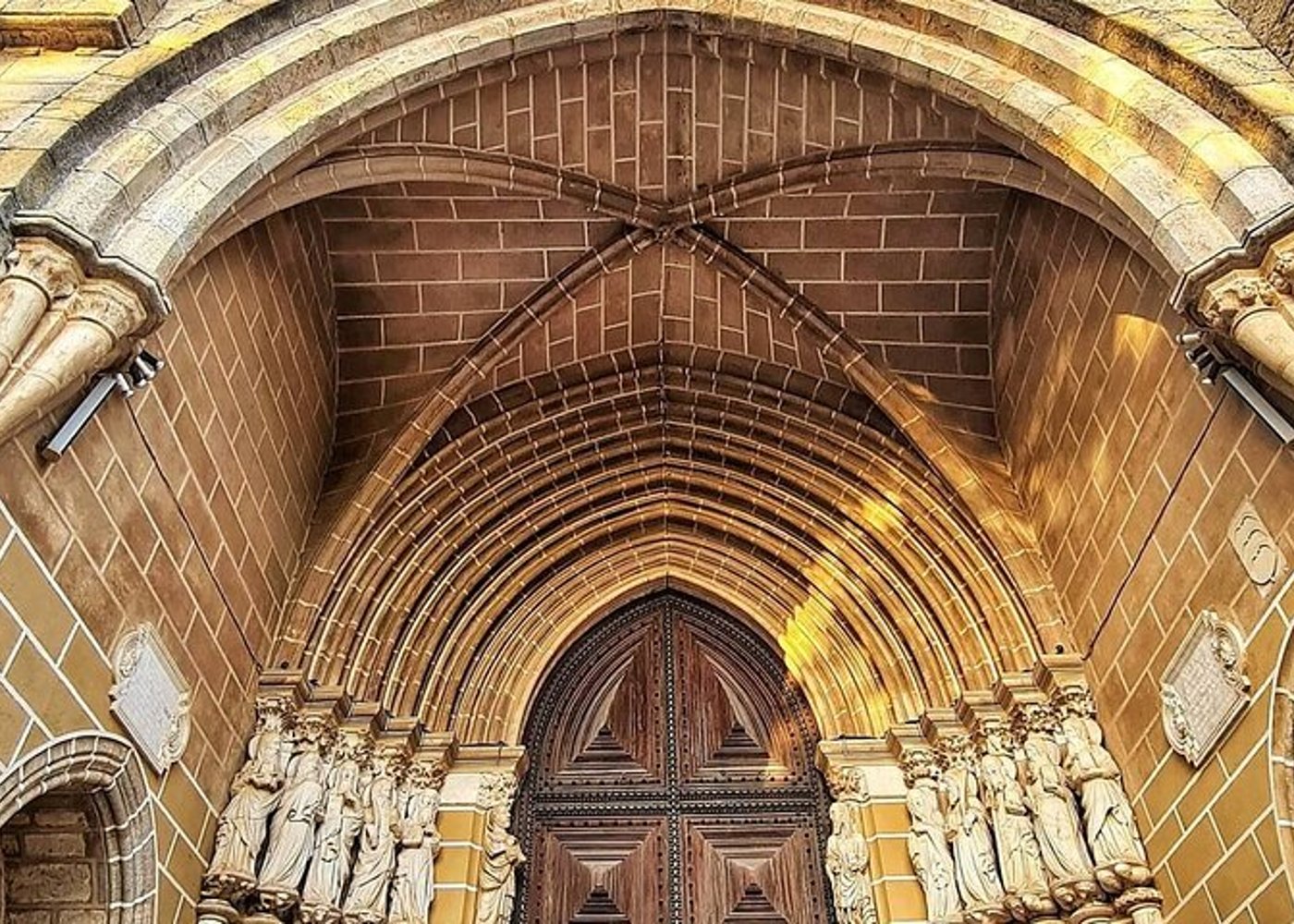
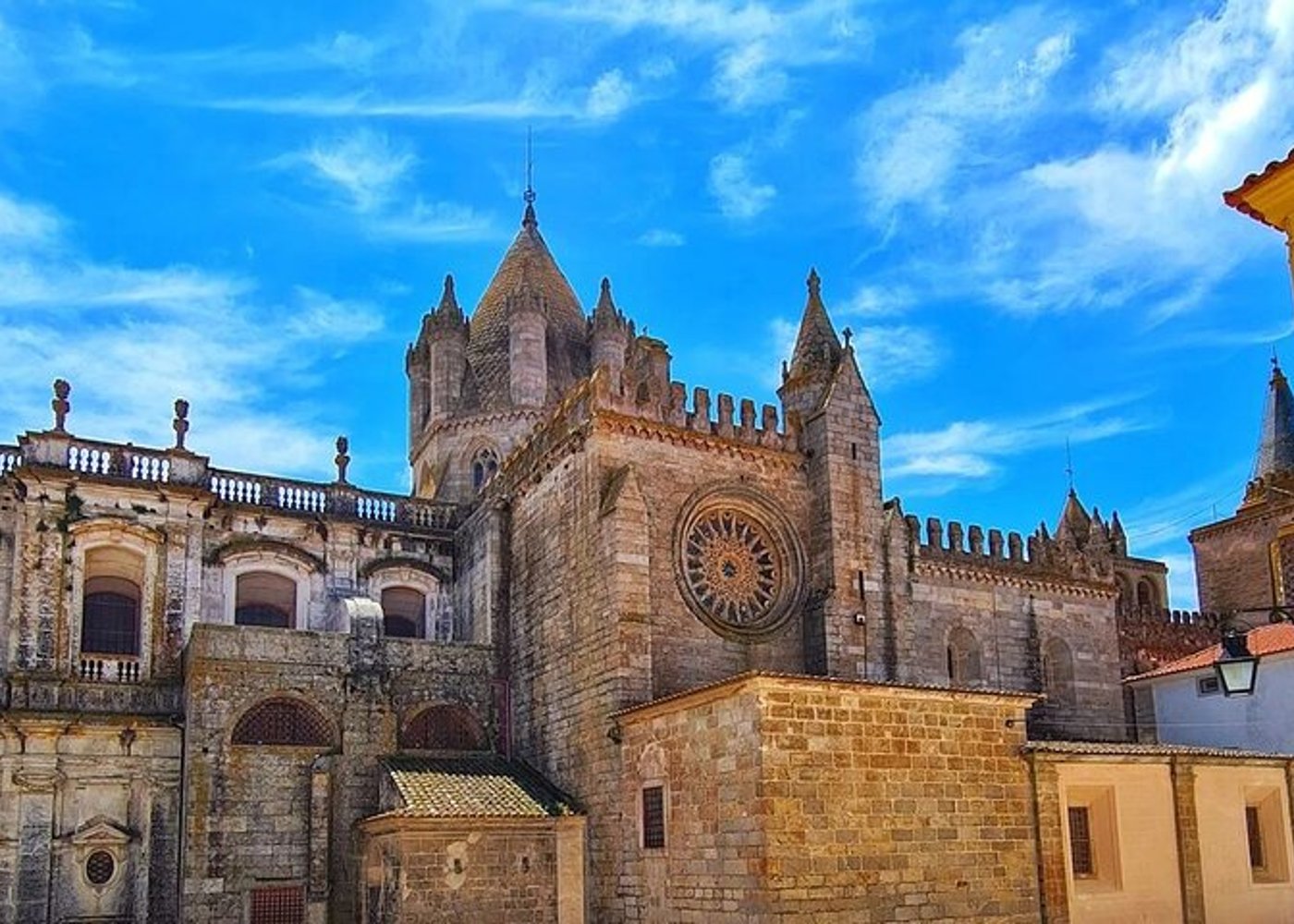
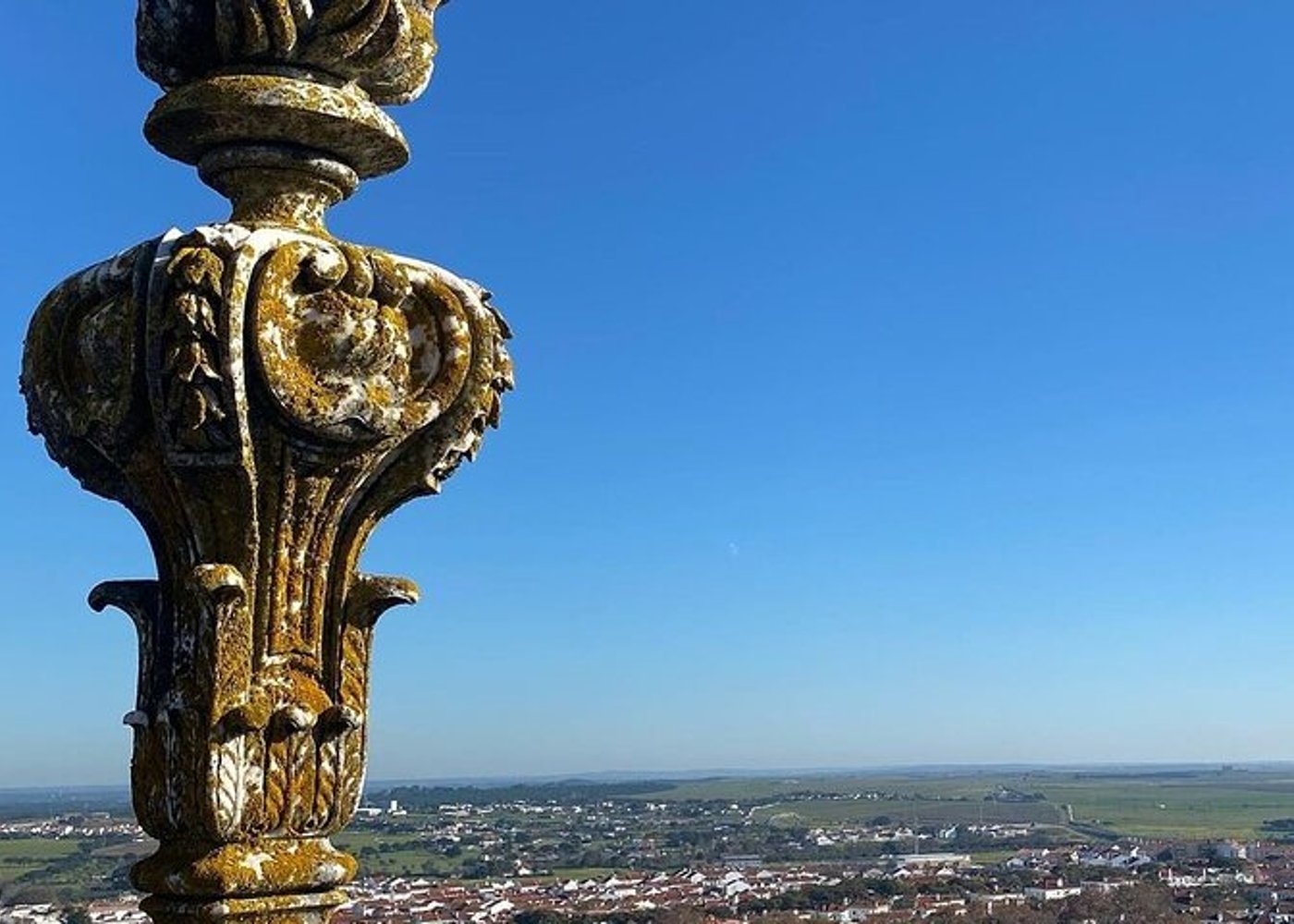
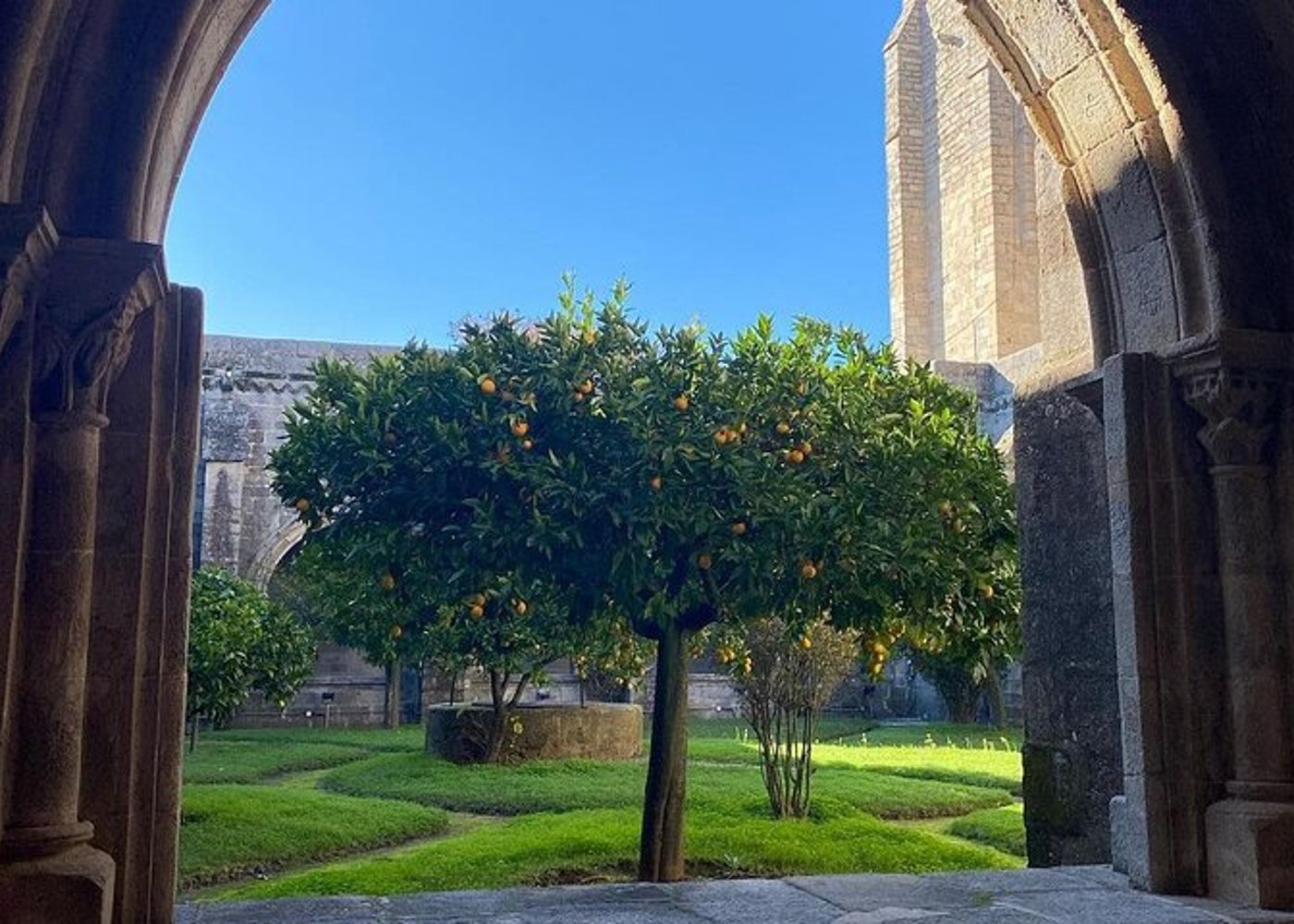
The Church of Sé, also known as the Cathedral of Évora, is one of the most significant religious buildings in Portugal. Its construction dates back to the 12th century, and it stands as a masterpiece of Gothic and Renaissance architecture. Located in the heart of Évora, the cathedral rises majestically above the city, offering a spectacular view. The architecture of the Church of Sé is a fascinating blend of styles. Its façade is a Gothic masterpiece, with intricate stone carvings depicting biblical scenes and religious figures. The interior is equally impressive, featuring a richly decorated narthex and chapels in Renaissance and Manueline styles. Beyond its stunning architecture, the Cathedral of Évora houses a valuable collection of religious treasures, including ornate altars, sculptures, paintings, and tapestries that tell the story of faith and devotion in the region.
Igreja De Sao Francisco
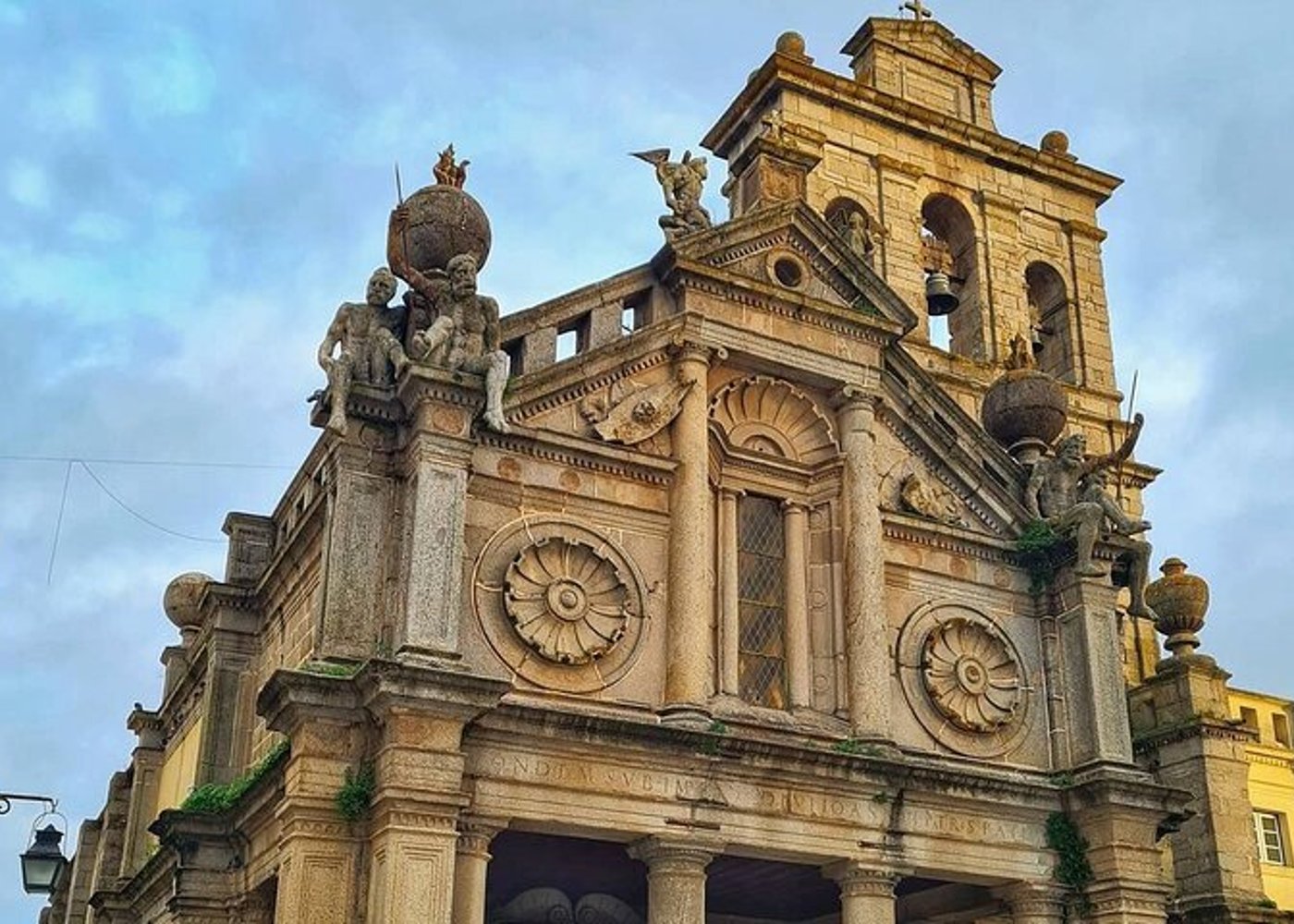
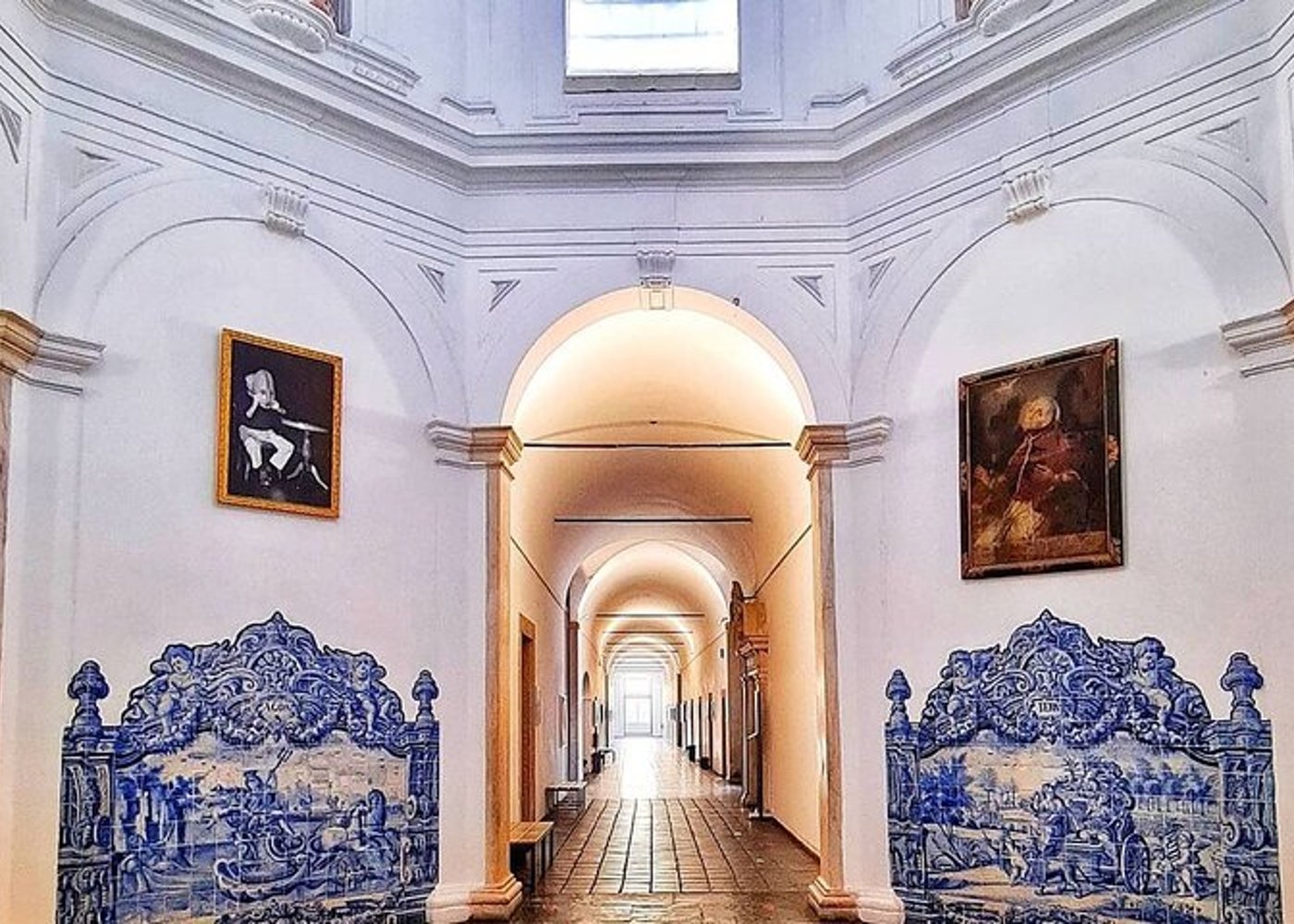
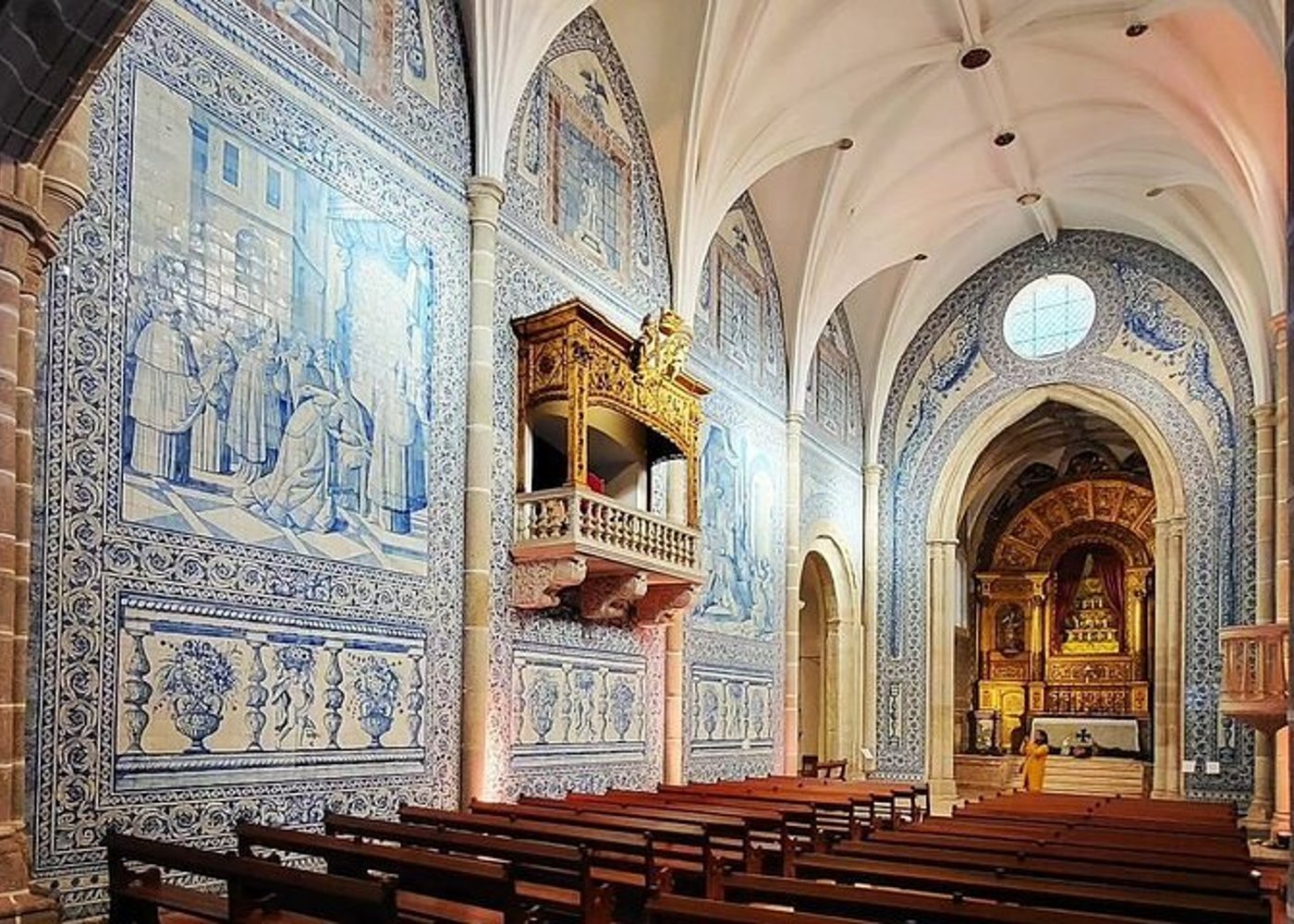
The Royal Church of São Francisco, located in Évora, Portugal, is a remarkable tourist destination that captivates visitors with its stunning Gothic architecture, rich history, and notable religious features. Also known simply as the Church of São Francisco, it is one of Évora’s most important religious monuments. Built in the late 13th century, the church remains an impressive testament to Gothic architecture. Like the Chapel of Bones inside the Church of São Francisco, this site features a unique chapel adorned with human bones and skulls on its walls and pillars, offering visitors a profound and reflective experience.
Aqueduto da Agua de Prata
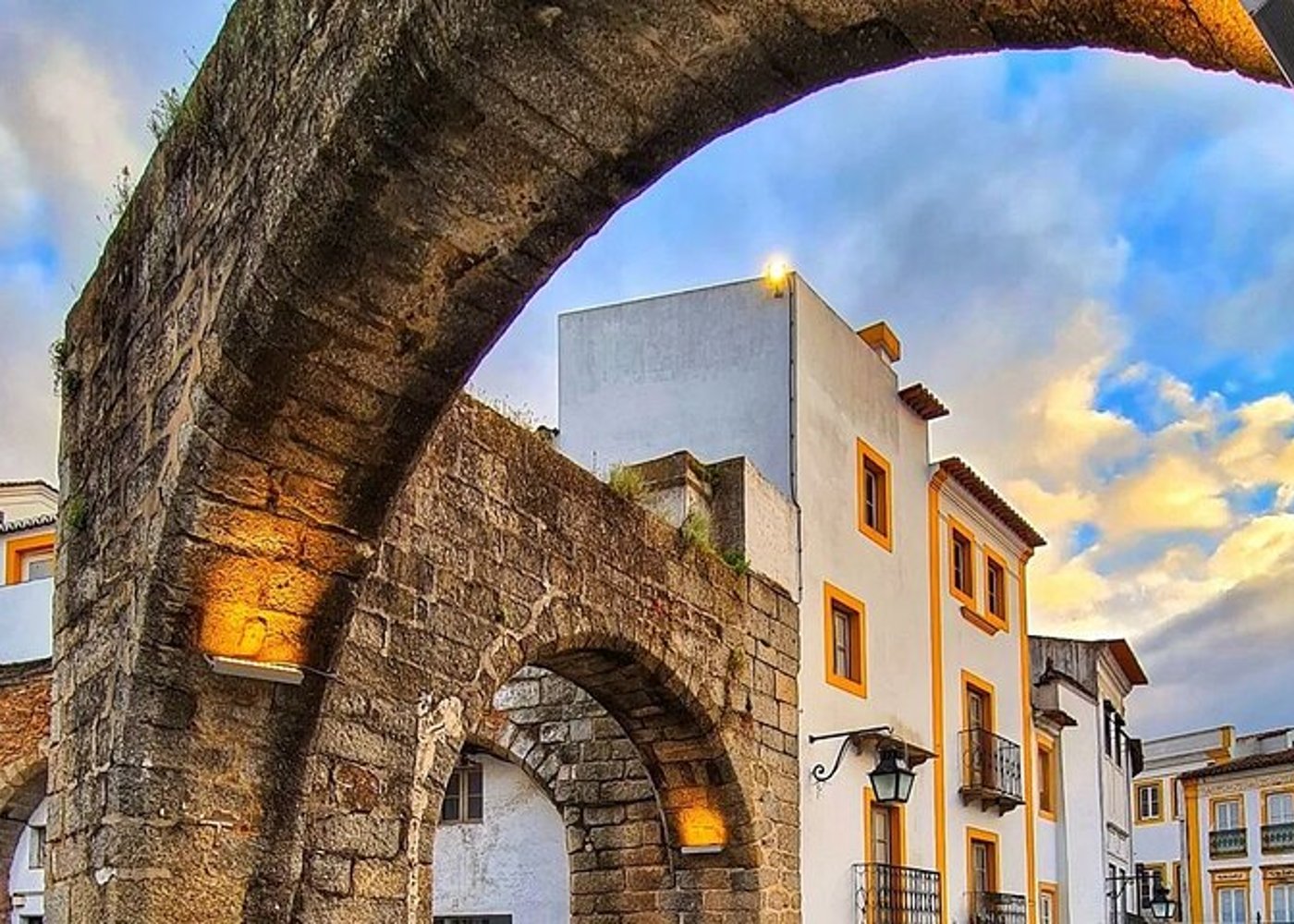
The Água da Prata Aqueduct, or Aqueduto da Água da Prata in Portuguese, is an impressive water supply structure dating back to the 16th century. It was built to provide Évora with a steady supply of fresh drinking water. This aqueduct stands as a remarkable testament to Renaissance-era hydraulic engineering. Stretching approximately 18 kilometers, it was constructed mainly from stone and brick arches that rise majestically across the Alentejo landscape. The gentle gradient of the arches exemplifies a perfect blend of technical ingenuity and aesthetic harmony.
Praca do Giraldo
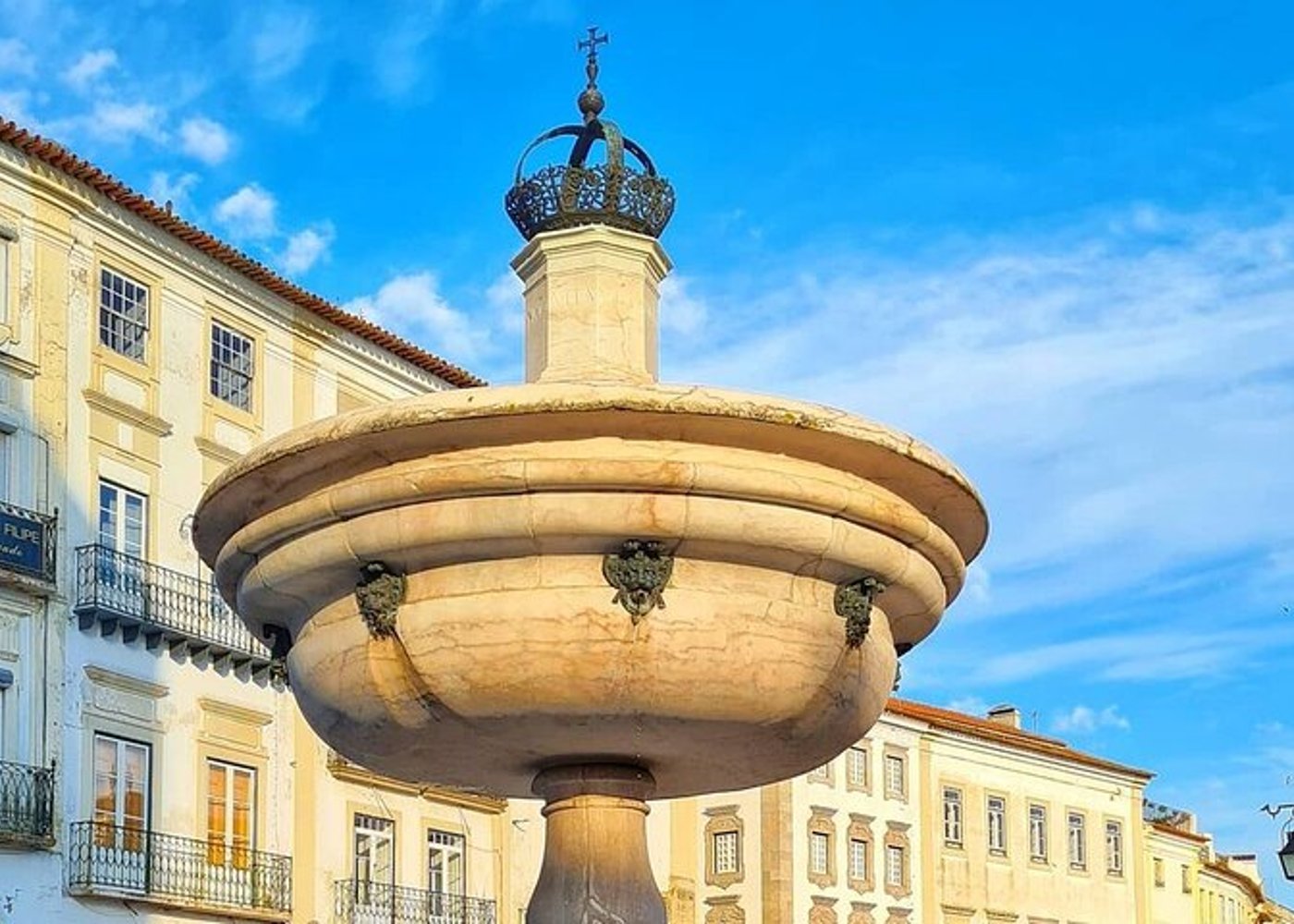
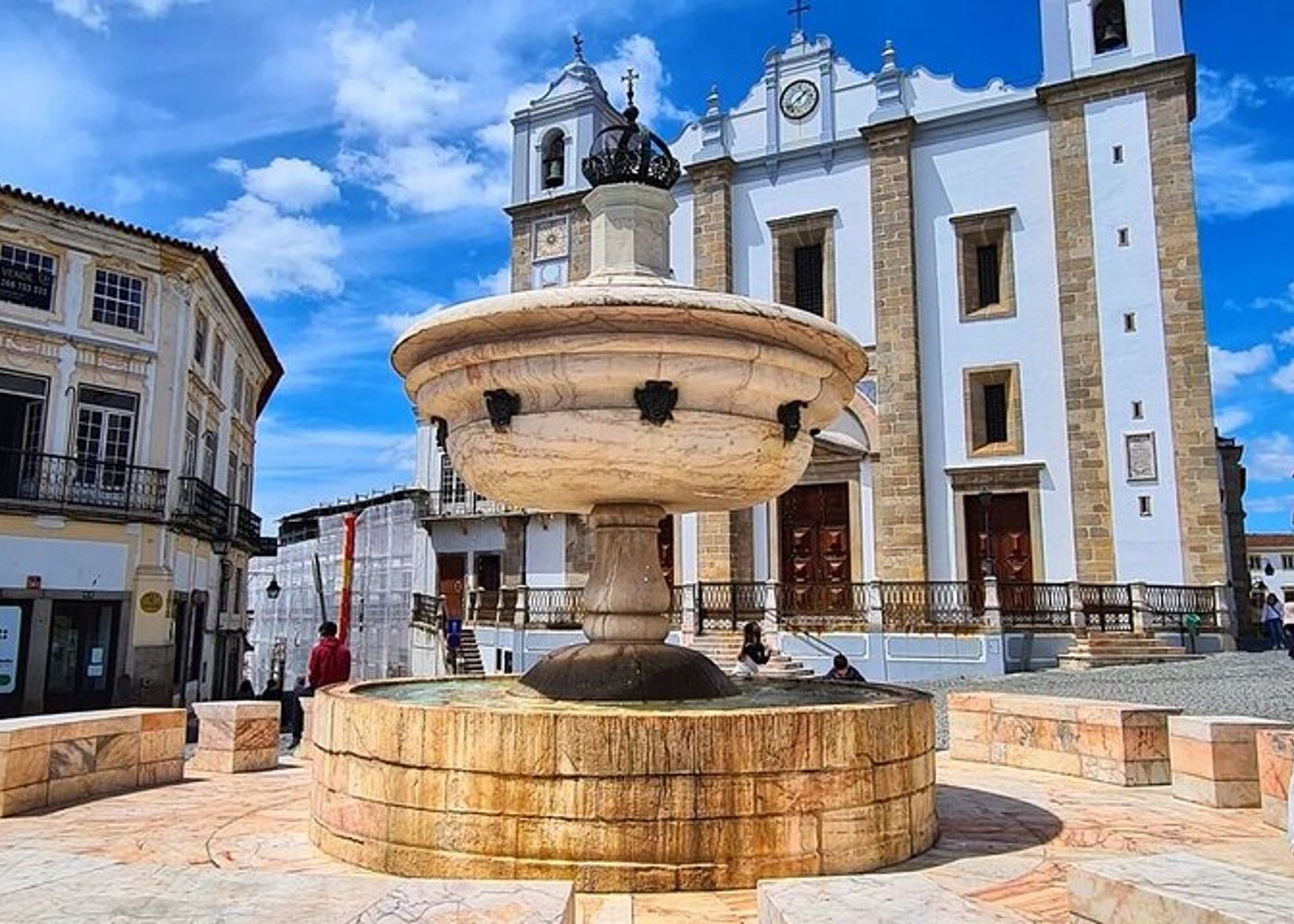
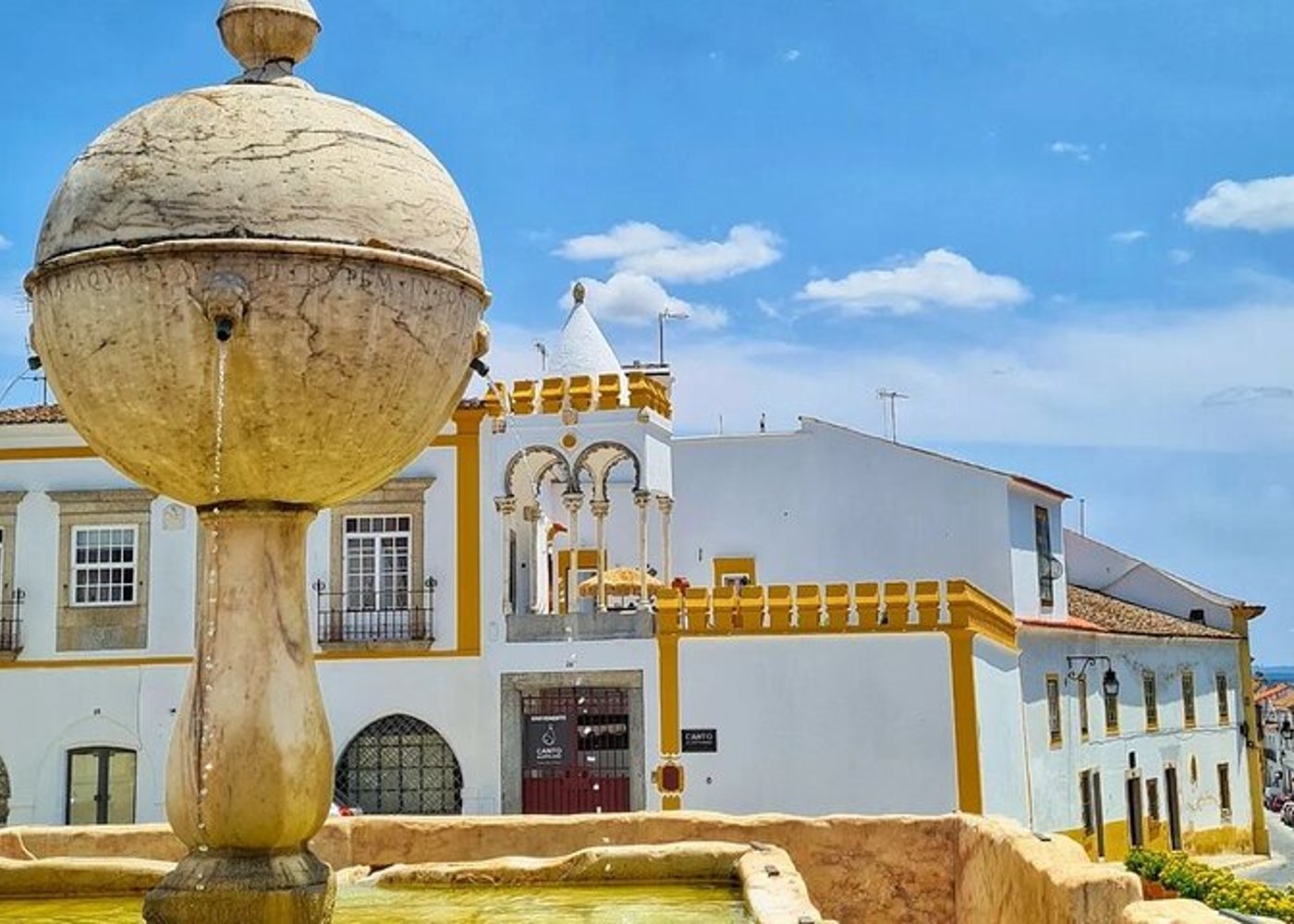
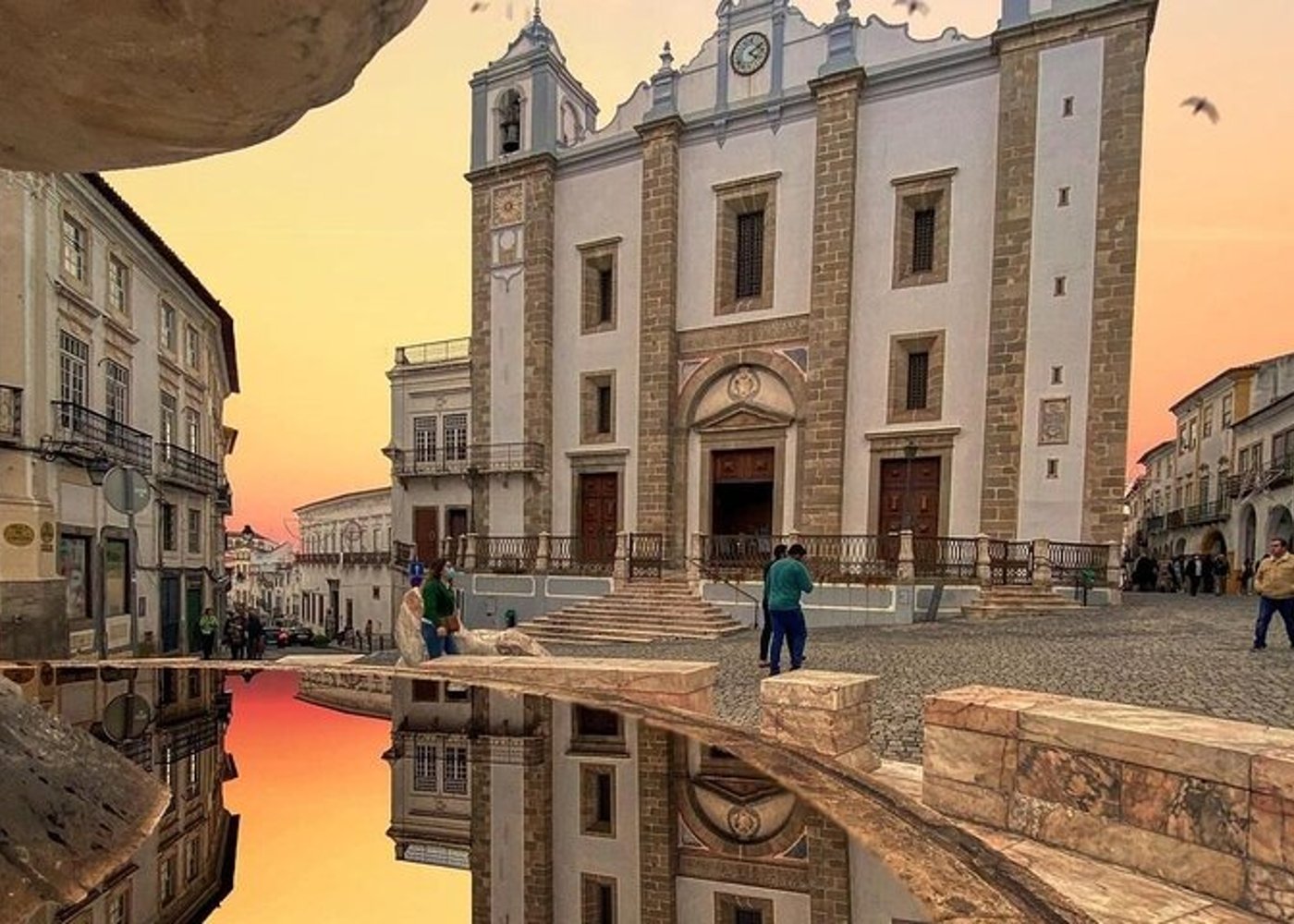
Giraldo Square is the main meeting point and the heart of Évora, a city rich in history and culture. It owes its name to Giraldo Sem Pavor, a medieval hero who played an important role in Portugal’s history. The square is surrounded by elegant buildings with stone arcades dating back to the 16th and 17th centuries, many of which house shops, cafés, and restaurants. Its design is typically Renaissance, and the white marble pavements add a refined touch to the space. At the center of the square stands the Giraldo Fountain, a beautiful landmark that serves as an iconic reference point and a popular place for locals and visitors to meet and relax.
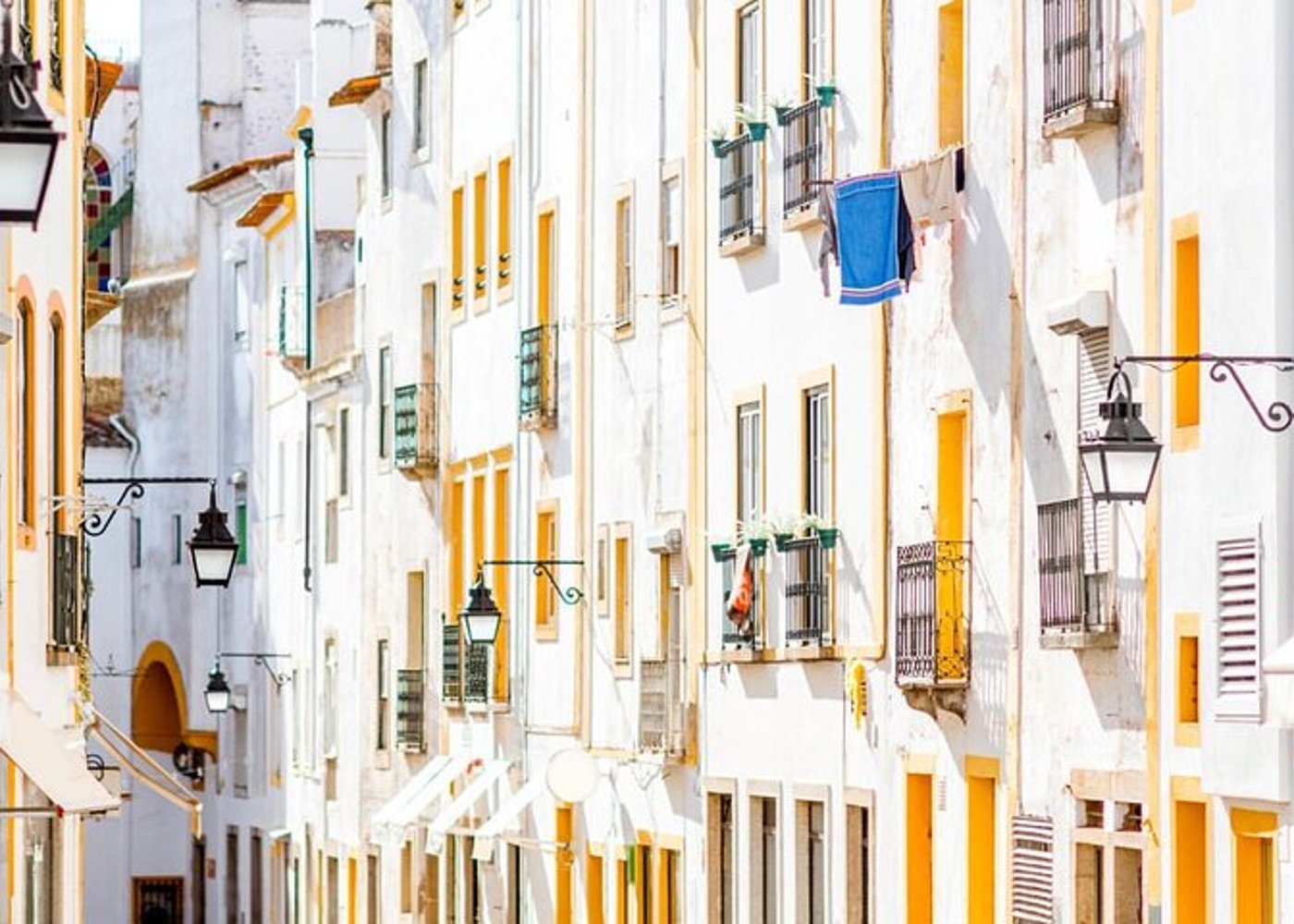
Centro Historico de Evora
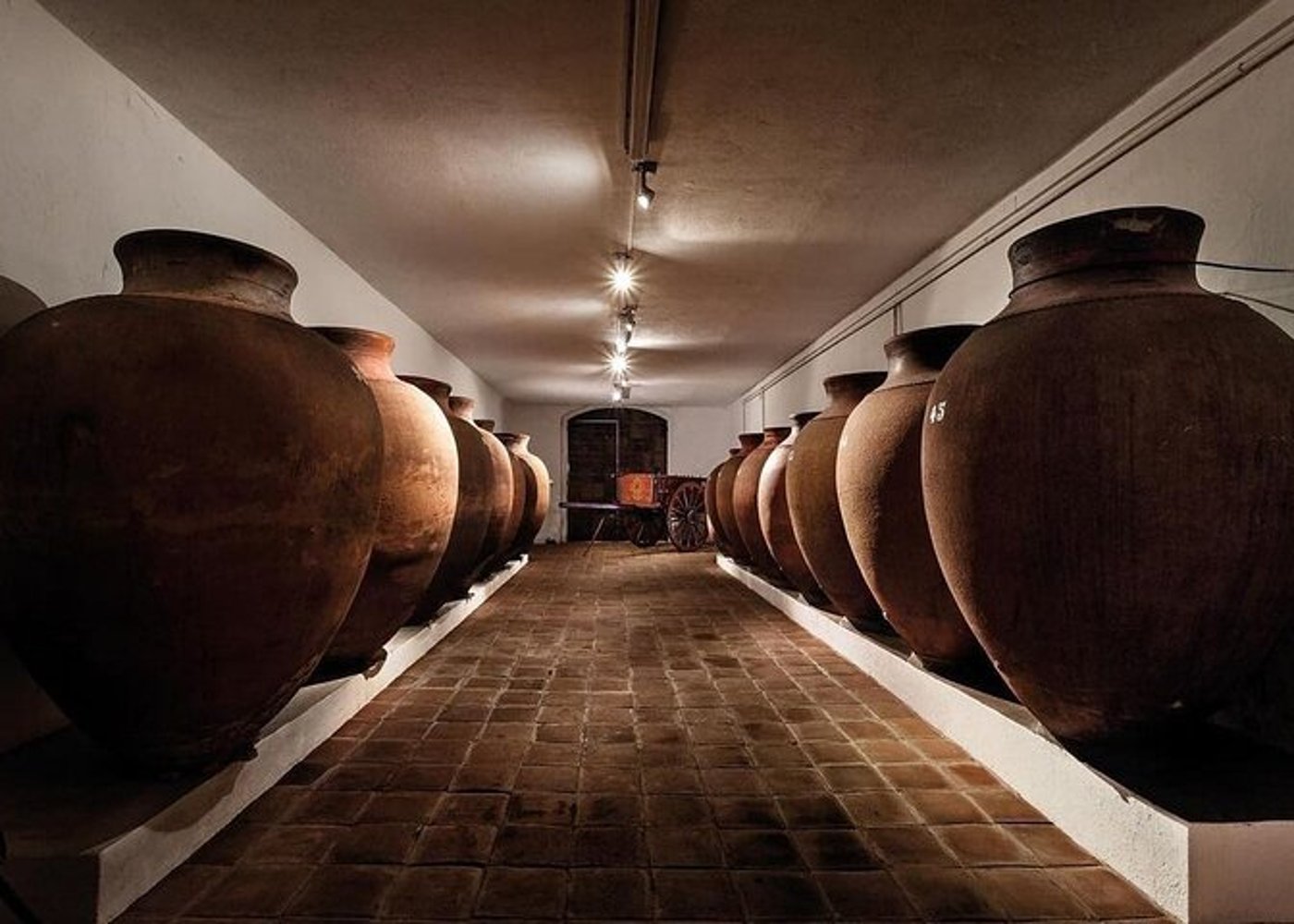
The Historic Center of Évora is the heart of the city and one of the best-preserved and most remarkable historical centers in Portugal. It is also classified as a UNESCO World Heritage Site due to its outstanding cultural and historical significance. The streets of the historic center form a labyrinth of cobblestone alleys, charming squares, and historic buildings dating back to the Middle Ages and the Renaissance. The architecture is a captivating blend of Gothic, Manueline, and Renaissance styles, featuring ornate details, wrought-iron balconies, and traditional sash windows. The area is filled with traditional restaurants and tascas serving delicious Alentejo dishes such as migas, lamb stew, and local cheeses. Évora is also renowned for its wines — particularly Vinho de Talha — which can be enjoyed in the city’s many local wineries.
No availability for the selected date.
Please select a different date to see available packages.
Supplier: O Turista! Tours and trips
Recommendations
Exclusive Tour Offers for You
Get the best prices, special discounts and updates about similar tours delivered to your inbox.
Sorry, the email address you entered is invalid. Please enter a valid email address.