









Sorry, the email address you entered is invalid. Please enter a valid email address.
Best Things to Do in Turkey
About Turkey
Best Things to Do in Turkey: Top Destinations & Experiences
Few countries pack as much into a single destination as Turkey. Two continents, ten thousand years of recorded history, seven UNESCO World Heritage Sites, and a coastline stretching across three seas — this is a place that rewards every type of traveller, whether you come for ancient ruins, mountain landscapes, warm Mediterranean beaches, or some of the most distinctive food in the world.
From the domed skyline of Istanbul to the volcanic valleys of Cappadocia, from the cotton-white terraces of Pamukkale to the pine-forested bays of the Aegean, Turkey's diversity is its defining quality. No two regions feel the same, and no single trip is ever quite enough.
Istanbul — Where Two Continents Meet
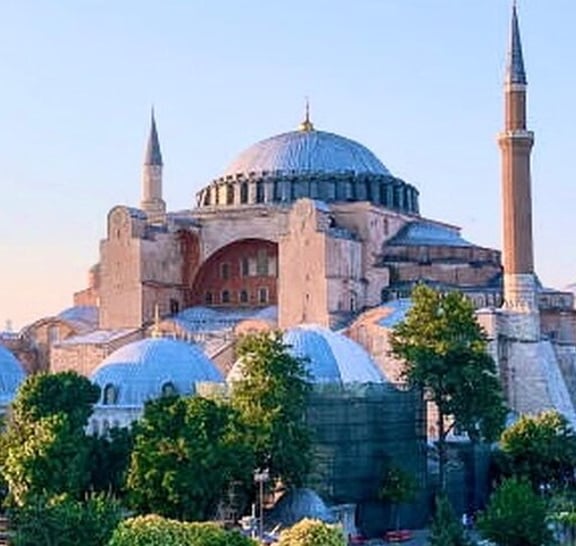
No trip to Turkey is complete without time in Istanbul. The city straddles Europe and Asia across the Bosphorus Strait, and that geographical tension plays out in everything from its food to its architecture. The Hagia Sophia — built in 537 AD as a cathedral, converted to a mosque in 1453, repurposed as a museum in 1934, and a mosque again since 2020 — is one of the most layered buildings on earth. Just steps away, the Blue Mosque, with its six minarets and cascading domes, is equally worth the visit. Beneath the city, the ancient Basilica Cistern offers a quieter, atmospheric underground world of marble columns and dim light.
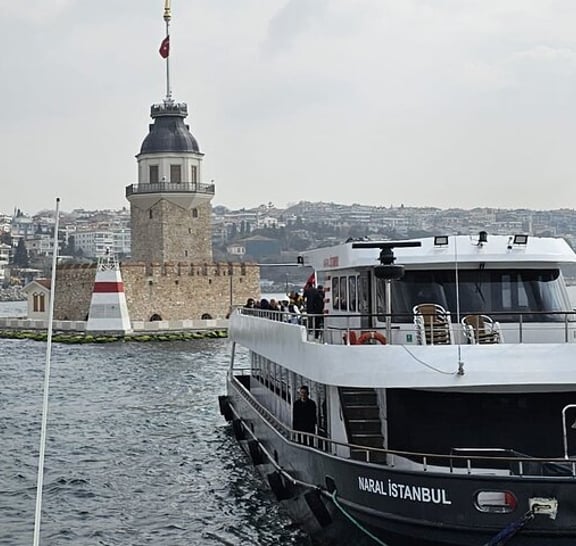
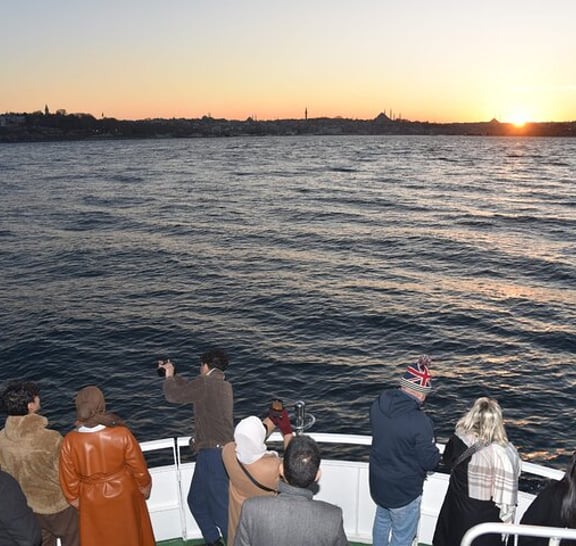
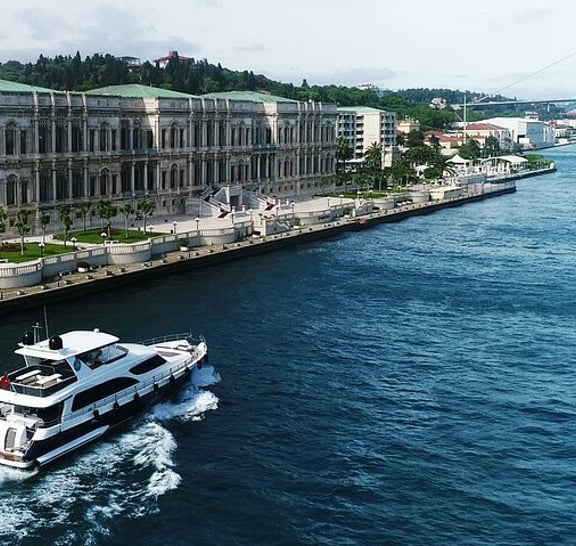
Beyond the monuments, Istanbul rewards those who slow down and wander. Fener and Balat reveal colourful houses and centuries of Greek and Jewish heritage. The Grand Bazaar, one of the world's oldest covered markets, sells everything from hand-woven carpets to gold jewellery. And a sunset cruise along the Bosphorus, watching the city's skyline shift colours as the light fades, is one of the most satisfying things to do in Istanbul.
Cappadocia — A Landscape Unlike Anywhere Else
Cappadocia, in central Turkey, looks like somewhere a geologist and a science fiction writer dreamed up together. Ancient volcanic eruptions left behind a landscape of soft rock formations — the famous fairy chimneys — that early Christian communities later carved into churches, monasteries, and entire underground cities. The Göreme Open Air Museum, part of the UNESCO-listed Göreme National Park, brings much of this history into a single walkable site.
The region's best-known experience is the hot air balloon flight at sunrise. Rising slowly above the valleys as the morning mist breaks apart is something genuinely difficult to describe. Flights typically last about one hour and run year-round, subject to wind conditions — spring and autumn offer the most reliable weather.
Antalya — Gateway to the Turkish Riviera
On Turkey's southern Mediterranean coast, Antalya is the starting point for exploring the Turkish Riviera — a long stretch of coastline known for clear water, ancient ruins, and a dramatic mountain backdrop. The city's old quarter, Kaleiçi, is a maze of narrow cobblestone streets, well-preserved Roman walls, and Ottoman mansions that have been turned into small hotels and restaurants.
From Antalya, day trips reach further: the travertine terraces of Pamukkale, the Roman theatre at Aspendos — one of the best-preserved in the world — and the Lower Düden Waterfalls, which drop directly into the Mediterranean. Boat tours, water sports, and jeep safaris into the Taurus Mountains are equally popular with visitors.
Pamukkale — Turkey's Cotton Castle
Pamukkale translates directly as "cotton castle," and the name fits. Over millennia, calcium-rich thermal waters cascading down the hillside have built up a series of brilliant white travertine terraces and shallow warm pools. Visitors can walk barefoot across the terraces and wade through the pools — a sensory experience that photographs rarely capture fully.
At the top of the hill sit the ruins of Hierapolis, the ancient Greco-Roman city built around the thermal springs. The theatre is well-preserved, the necropolis is one of the largest in Anatolia, and the so-called Cleopatra's Pool — a thermal bath filled with submerged ancient columns — is said, with some uncertainty, to have been used by the Egyptian queen herself.
The Aegean Coast — Ephesus, Bodrum and Fethiye
Turkey's Aegean coast runs between ancient ruins and quiet bays, with a different character around every headland. Ephesus, near the town of Selçuk, is one of the best-preserved ancient cities in the Mediterranean. The Library of Celsus, the Grand Theatre, and the marble-paved main street draw visitors from around the world. A short drive away, the House of the Virgin Mary is a recognised Christian pilgrimage site with centuries of history.
Bodrum occupies a peninsula dominated by its medieval castle, and is known for a lively marina, whitewashed architecture, and a nightlife scene that runs from laid-back to full tilt depending on what you are looking for. Fethiye is the departure point for the Blue Voyage — a multi-day sailing trip through pine-lined coves and past Lycian ruins accessible only by boat. Inland from Fethiye, the ghost town of Kayaköy, abandoned in 1923 after the Greek-Turkish population exchange, is quietly arresting.
The Black Sea Coast — Trabzon, Rize and Sümela
Turkey's Black Sea coast is one of the country's least-visited and most rewarding regions. The landscape here is entirely different from the sun-bleached Aegean: steep green hills, dense forests, and a coastline edged by tea plantations and hazelnut orchards that stretch inland for miles. The region receives significant rainfall, which gives it a lush, almost Alpine quality that surprises most first-time visitors.
Trabzon is the main city of the eastern Black Sea coast and a natural base for the region. The city's most significant landmark is the Hagia Sophia of Trabzon — a 13th-century Byzantine church, later converted to a mosque, whose interior frescoes have been carefully restored. From Trabzon, the drive south into the Pontic Mountains leads to the Sümela Monastery, one of the most dramatic religious sites in Turkey. Founded in the 4th century and built directly into a sheer cliff face at 1,200 metres above sea level, the monastery clings to the rock above a forested gorge. Rize, a short drive east of Trabzon, is the centre of Turkey's tea production; the terraced tea gardens covering the hillsides above the city are worth seeing and the local çay is notably fresher than anywhere else in the country.
Eastern Anatolia — Erzurum, Van and Nemrut
Eastern Anatolia is Turkey's most remote and arguably most spectacular region. The landscape is defined by high plateaus, volcanic peaks, and ancient civilisations whose traces are still visible across the terrain. This is the part of Turkey that rewards travellers willing to cover longer distances and move at a slower pace.
Mount Nemrut, in southeastern Anatolia, is one of Turkey's most visited UNESCO World Heritage Sites. At the summit, the colossal stone heads of gods and kings — built by the Commagene king Antiochus I around the 1st century BC — sit scattered across two terraces at 2,150 metres altitude. Sunrise and sunset over the statues, with the surrounding mountain ranges as a backdrop, draw visitors from around the world. Lake Van, in the far east, is the largest lake in Turkey and one of the largest soda lakes in the world. Akdamar Island in the middle of the lake holds the Church of the Holy Cross, a 10th-century Armenian church known for its remarkably detailed stone relief carvings. Erzurum, further north, is a historic city at 1,900 metres altitude, known for its Seljuk and Ottoman architecture, winter skiing at the nearby Palandöken resort, and the local specialty cağ kebabı — lamb cooked horizontally on a rotating spit, unique to the region.
Best Time to Visit Turkey
Turkey works as a year-round destination, but the right season depends on where you are going.
Spring (April and May) is generally the most comfortable time for sightseeing. Temperatures across the country are warm without being oppressive, wildflowers are out across the hills and valleys, and accommodation prices have not yet reached their summer peak. Autumn (September and October) offers similar conditions, with the sea still warm from summer.
Summer (June to August) is peak season on the Aegean and Mediterranean coasts — ideal for beaches, boat trips, and coastal towns. Inland, temperatures can exceed 40°C, and the most visited sites get genuinely crowded. Cappadocia is popular in both spring and autumn; balloon flights operate year-round but are grounded during high winds.
Winter (November to March) is a good time to see Istanbul. The city quietens down considerably, prices for hotels drop, and walking the old districts in cooler weather is genuinely pleasant. Occasional snow settles on the mosques and Byzantine city walls, which is a striking sight.
Getting Around Turkey
Turkey's domestic flight network is extensive and the fares are competitive, making air travel the most practical option for long distances. The flight from Istanbul to Antalya, for example, takes about an hour. Turkish Airlines and several low-cost carriers operate frequent connections between major cities.
Intercity buses are a reliable alternative for medium distances. Companies such as Pamukkale Turizm, Metro Turizm, Kamil Koç, and Ulusoy run comfortable, punctual services between most cities and towns at low prices. High-speed trains (YHT) connect Istanbul with Ankara in around 4.5 hours, with onward connections to Eskişehir and Konya. For the Aegean and Mediterranean coasts and more rural inland areas, car rental gives you the most flexibility.
Within Istanbul, the integrated public transport network — metro, tram, funicular, and Bosphorus ferry — is straightforward to navigate and covers all the main areas of interest.
Frequently Asked Questions
Do I need a visa to visit Turkey?
Most nationalities — including citizens of EU countries, the United Kingdom, and the United States — require an e-Visa before entering Turkey. The e-Visa is applied for online through the official Turkish government portal at evisa.gov.tr and must be arranged before travel; it is not available on arrival. Some nationalities are entirely visa-exempt. Always check the specific requirements for your passport on the Turkish Ministry of Foreign Affairs website or your own government's travel advisory before booking.
What is the best time to visit Turkey?
Spring (April–May) and autumn (September–October) are generally the most comfortable seasons. Temperatures are mild, crowds are lighter than in summer, and accommodation prices are more reasonable. Summer is ideal for the Aegean and Mediterranean coasts but can be very hot inland. Winter is a good time for Istanbul and historical sites — quieter, cheaper, and with its own atmosphere.
What currency is used in Turkey?
Turkey's official currency is the Turkish Lira (TRY). Credit and debit cards are widely accepted in hotels, restaurants, and shops in cities and tourist areas. Cash is more practical in local markets, smaller towns, and bazaars. ATMs are widely available across the country. For currency exchange, official exchange offices (döviz bürosu) consistently offer better rates than hotels or airports.
Is Turkey safe for tourists?
Turkey receives tens of millions of international visitors every year and is generally considered safe. The main tourist destinations — Istanbul, Cappadocia, Antalya, the Aegean coast — are well-established and accustomed to international travellers. The same common-sense precautions apply as anywhere: keep valuables secure in crowded areas, use licensed transport, and stay aware of your surroundings. Check your government's current travel advisory before departure.
How many days do I need to visit Turkey?
Seven to ten days is enough to cover Istanbul (allow three days), Cappadocia (two days), and one coastal destination such as Antalya or Bodrum (two to three days). Two weeks gives you time to add Pamukkale, the Aegean coast, or a sailing trip. For a relaxed itinerary without feeling rushed between cities, fourteen days is the realistic minimum for seeing Turkey's main highlights.
What language is spoken in Turkey?
Turkish is the official language. English is widely spoken in hotels, restaurants, guided tours, and shops in major tourist destinations. German is also common in many areas, particularly along the Aegean and Mediterranean coasts, reflecting decades of German tourism to the country. Learning a few basic Turkish words — teşekkürler (thank you), merhaba (hello) — is always well received by locals.
What are the must-try foods in Turkey?
Turkish cuisine varies significantly by region, but some dishes are worth seeking out wherever you are: kebabs in their regional varieties (Adana, İskender, döner, şiş), mezes served as shared starters, baklava and other pastries soaked in syrup, a full Turkish breakfast (kahvaltı) with cheeses, olives, eggs, and freshly baked bread, simit — sesame-crusted bread rings sold from street carts — börek with cheese or meat filling, and çay (Turkish tea) in small tulip-shaped glasses. Turkish coffee is typically served thick and strong, often with a small sweet on the side.
How do I get around Turkey?
For long distances, domestic flights are the fastest option — Istanbul to Antalya is about one hour by air. Intercity buses operated by companies including Pamukkale Turizm, Metro Turizm, and Kamil Koç cover most cities and towns reliably and affordably. High-speed trains (YHT) connect Istanbul with Ankara in approximately 4.5 hours, with connections to Eskişehir and Konya. Car rental is the best way to explore the Aegean and Mediterranean coastlines and rural areas at your own pace. Within Istanbul, the metro, tram, funicular, and Bosphorus ferry system handles most journeys efficiently.
Turkey Special Events and Offers
Stay up to date with new events, special offers and benefits for Turkey.